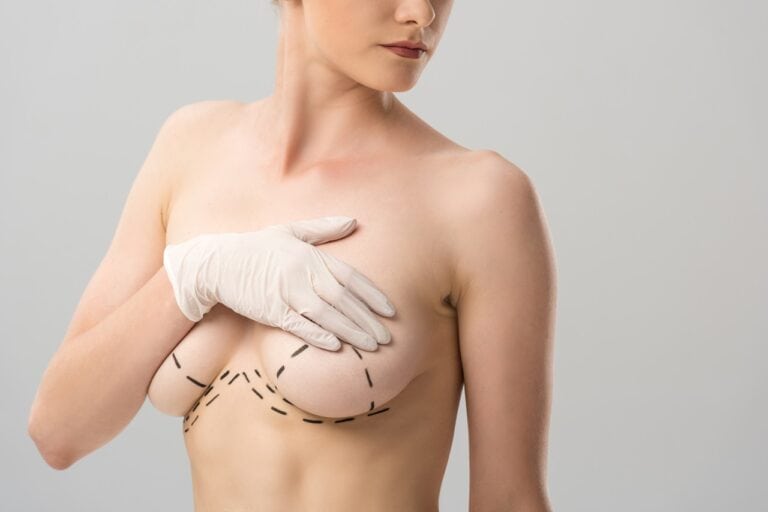
Breast reduction can change your quality of life, helping you feel more comfortable, confident, and healthy. At the Breast Reduction Surgeons of Long Island, we answer questions about breast reduction every day for people of all ages, and one of the most common questions is about age.
Each person’s journey is different, so knowing when to consider this surgery matters. Below, our team shares what you should know if you are thinking about breast reduction and wondering, “How old do I have to be to get a breast reduction?” Get ready to learn about age guidelines, candidacy factors, benefits, risks, and the process itself, so you feel informed at every step.
Key Takeaways

Age and Physical Development: What Really Matters
Determining the right age for breast reduction surgery goes beyond your birthdate. Our surgical team looks at development, health, and your unique experience.
Breast Development Comes First
Most providers agree you should wait until your breasts have stopped growing before breast reduction. For patients assigned female at birth, breast growth often finishes between ages 16 and 18. Some individuals may continue to experience subtle changes for a year or more after this window, especially if family genetics or hormones play a role.
In our practice, our surgeon examines each patient’s body frame, health history, and the timing of breast growth. If you undergo the surgery while the breast tissue is still growing, there is a chance your breasts may continue to enlarge afterward. This could impact your long-term results or require additional surgery in rare cases.
Key Signs Physical Development is Complete
You may notice a few markers that suggest your body has finished developing:
- Your breast size remains steady for at least 12 months.
- No major changes are seen during recent growth spurts.
- Your height and weight have balanced out into adult ranges.
Our doctor looks at these factors, among others, to decide if breast reduction now is best for you.
Minimum Age for Breast Reduction: Guidelines and Exceptions
Most breast reduction patients are in their late teens or early adulthood, yet age alone is not the only requirement. Below are several key guidelines.
General Age Recommendations
The common minimum age is 16 to 18 years old, provided breast growth is complete, and the individual shows strong emotional maturity. However, some exceptions do exist.
When Younger Patients Qualify
Occasionally, girls younger than 16 experience severe physical or emotional problems because of very large breasts. Our team at the Breast Reduction Surgeons of Long Island may consider breast reduction for younger teens when certain criteria apply:
- The patient’s breast growth is complete by clinical evaluation.
- The patient faces genuine physical health risks, such as chronic back, neck, or shoulder pain, deep grooves from bra straps, or repeated skin infections under the breasts.
- Emotional or social distress clearly impacts daily life and cannot be managed with other treatments.
In all cases, parental or guardian consent remains necessary, and both the patient and parent must attend consultations. Every case receives careful, individualized evaluation by our surgical team.
Emotional Maturity and Informed Consent
Breast reduction is a significant decision, so emotional readiness to handle surgery and long-term changes matters as much as physical health.
The Importance of Being Ready
You need to understand every part of the procedure, including benefits, risks, recovery, effect on appearance, and future health. Younger teens may not always appreciate what breast reduction means for their identity, relationships, or body.
At our Long Island office, the surgeon spends extra time speaking with younger patients and their families. You will learn about the possibility of scars, changes in sensation, or impacts on breastfeeding down the road. We ensure there is no pressure to decide quickly and recommend waiting until you feel completely comfortable.
Consenting to Surgery
Minors cannot provide legal consent for surgery. Instead, a parent or legal guardian must understand the goals and risks, sign all forms, and participate in the entire process. This partnership protects your safety and supports your healing, starting from consultation through recovery.
Not Just About Age: Candidacy Factors for Breast Reduction
You will find that age serves as just one piece of the puzzle. When you come to our practice, we review several elements to figure out if you are a good candidate.
Physical Health Requirements
It is important for you to be in good general health before surgery. Our team looks for well-controlled chronic conditions such as asthma or diabetes, which could affect your healing. We also review past surgeries, allergies, or medication use.
Symptoms That Lead to Surgery
Candidates for breast reduction often struggle with challenges like:
- Chronic pain: Ongoing discomfort in the back, shoulders, or neck that affects daily living.
- Skin irritation: Frequent rashes, infections, or chafing beneath the breasts.
- Limited activities: Avoidance of sports or physical activities due to breast size or pain.
- Grooves or indentations: Deep marks from bra straps pressing into your shoulders.
You may also face emotional distress or self-esteem problems because of unwanted attention or clothing difficulties.
Realistic Expectations and Support
We also want you to have realistic expectations about what surgery can achieve and to feel supported by trusted adults or family members. We encourage open discussion and consider psychological or mental health history as part of our assessment.
Benefits and Risks of Early Breast Reduction
Many teenagers and younger adults find genuine relief through breast reduction, especially when symptoms cause daily problems. At the same time, the decision includes important risks and lifelong considerations.
Benefits of Breast Reduction at a Younger Age
If you qualify for surgery during your teens, you may experience life-changing results. These can include:
- Improved comfort: Back, neck, and shoulder pain may decrease or go away.
- Easier movement: Physical activities such as sports become possible and more enjoyable.
- Better posture: Spine and shoulder alignment can improve with less weight on your upper body.
- Clothing options: You may feel more confident shopping for clothes or swimwear.
- Greater self-esteem: A proportionate figure often boosts confidence for teens and adults alike.
Many patients tell our surgeon they feel more like themselves and enjoy life more after breast reduction.
Risks and Considerations for Young Patients
Breast reduction always carries surgical risks, and special concerns arise for younger candidates:
- Scarring: There will be scars, though these fade with time. Our team will review expected scar placement and outcomes before surgery.
- Changes in sensation: Some loss of nipple or breast feeling can occur, which can be temporary or, rarely, permanent.
- Potential need for revision: Ongoing breast growth (including weight changes or pregnancy in the future) can alter results, which could require further surgery.
- Possible impact on breastfeeding: Some women may find it harder to breastfeed after breast reduction, depending on technique and anatomy.
- Emotional adjustment: Significant changes to your body can affect self-image, relationships, and personal identity.
Our surgeon takes the time to discuss every benefit and risk, answer questions, and make sure you are prepared before moving forward with surgery.

The Breast Reduction Process: What to Expect
You may wonder what the entire experience will look like if you choose breast reduction at our Long Island practice. Awareness of the process helps you feel more confident and prepared.
First Step: The Consultation
Consultation is where your journey begins. Our surgeon will examine your health history, measure breast size and shape, evaluate physical symptoms, and review your goals. You can expect to have plenty of time to share any questions or concerns and discuss what matters most to you.
If you are under 18, a parent or guardian attends the visit. Our team clearly explains every step of the procedure, what to expect during your breast reduction recovery, possible surgical risks, and long-term aesthetic changes. Sometimes, we may recommend counseling with a mental health professional to ensure the decision feels right for you and your family.
The Surgery Itself
Breast reduction usually takes about 2 to 4 hours and is performed under general anesthesia at a hospital or accredited surgery center. Our doctor will remove extra breast tissue, fat, and skin to create a smaller, natural shape. At the same time, we reshape the breast mound and may reposition the nipple for better results.
You will have stitches, bandages, and sometimes a small drainage tube for the first day or two. Our surgical team will monitor you as you wake up and answer any questions you may have before you go home.
Recovery Timeline and Aftercare
Recovery from breast reduction varies, though most patients can return to gentle activities or school within 1 to 2 weeks. Our surgeon recommends waiting 4 to 6 weeks before lifting, exercising, or heavy physical work. You will receive detailed instructions about caring for your incisions, wearing special support bras, and noticing signs of infection or problems.
Regular check-ins with our Long Island practice ensure you are healing well and feel reassured every step of the way.
When to Wait: Reasons to Delay Breast Reduction
Delaying surgery can be the right choice in several situations. You may want to wait for better timing or to improve your readiness. Here are several reasons you should consider delaying breast reduction surgery:
- Ongoing breast growth: If your breasts continue to change month by month, waiting will often give you a better result and reduce the chance of needing another surgery.
- Emotional uncertainty or pressure: Feeling unsure or pressured by parents, friends, or circumstances is a signal to slow down. The decision should always feel like your own.
- Unstable health or weight: Patients with uncontrolled health issues or plans for major weight change should wait until their bodies are more stable.
- No parental support for minors: Minors without an involved parent or guardian cannot move forward legally or safely. Family participation is required for surgery.
- Lack of information: Take the time to research surgery risks, recovery, and long-term impact if you do not feel fully educated.
Delaying surgery does not mean you give up on relief. Our team will continue to provide support, education, and monitor your health whether you choose surgery right away or later.
Frequently Asked Questions About Age and Breast Reduction
People ask many important questions about age, rules, and timing for breast reduction. Here are some of the most frequent questions we hear at our Long Island office:
Making the Right Choice for Your Age and Health
Breast reduction is a personal decision, and age is just one of many factors to consider. By weighing your physical development, emotional maturity, symptom severity, and support from trusted adults, you can arrive at the right decision for your body and life.
At every stage, our surgical team at the Breast Reduction Surgeons of Long Island listens carefully and respects your pace. Whether you feel ready now or want more time, we encourage open discussion and welcome your questions. Convenience, comfort, and trust matter as much as technical expertise, and we are here to support your journey every step of the way.
If you are curious about breast reduction and want trusted answers about age requirements, candidacy, or the procedure itself, please reach out. Our experienced team at the Breast Reduction Surgeons of Long Island can help you explore your options and schedule a personalized consultation at a time that works for you.