Embarking on your recovery after breast reduction can feel both exciting and a little overwhelming. The right support plays a crucial role in ensuring a smooth, comfortable healing process. At Breast Reduction Surgeons of Long Island, our team makes it a priority to guide every patient through this important phase.
Selecting the best bras for your post-surgery journey takes more than just comfort into account. You deserve options that help you heal well and look great. Read on to discover our expert recommendations and practical advice to support your recovery and everyday life.
Key Takeaways
Your Guide to Breast Reduction Surgery and Healing
Breast reduction removes excess breast tissue and reshapes your chest to ease discomfort, creating a size that better matches your proportions. Recovery involves several stages, and each phase has different support needs.
During the first few days, you might feel soreness, swelling, and temporary swelling at your incision sites. A specialized post-surgical bra helps stabilize your results and prevents unnecessary strain on your healing breasts.
Most patients spend the first six weeks focused on healing. You will notice reduced swelling, better mobility, and softer incisions as time goes on. The bra you choose during this time influences your comfort and the appearance of your results.
Key Features of the Best Post-Reduction Bras
Several qualities truly matter when it comes to bras during breast reduction recovery. Your comfort and healing both rely on finding the right features.
Why A Surgical Bra Makes a Difference
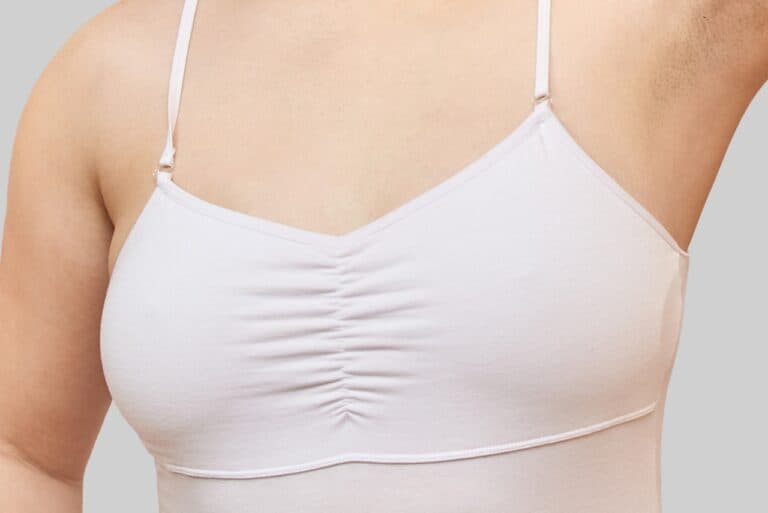
A surgical bra provides gentle compression while delivering the support your new breast shape needs. You will notice these bras have soft seams and leave plenty of room for swelling, which often occurs in the first two weeks.
Doctors at our Long Island practice prescribe these bras because they keep your breasts stable, protect healing incisions, and lower the risk of fluid buildup. Front closures make them easy to take on and off, while wide straps prevent pressure on your shoulders.
What to Look for in a Recovery Bra
When choosing a bra after breast reduction, pay special attention to several design elements so you can recover safely.
- No Underwire: Underwire presses into incisions, which can delay healing and cause pain.
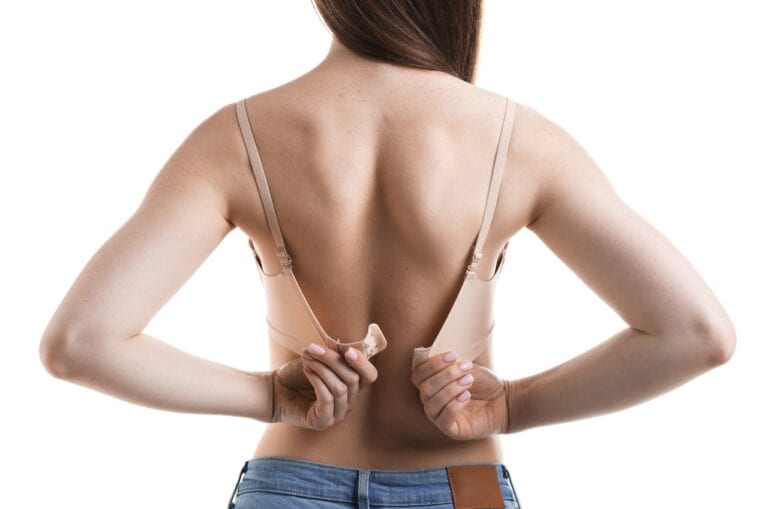
- Front Closure: This type of bra lets you dress without raising your arms, which helps protect sensitive tissues.
- Wide, Adjustable Straps: These support your breasts without digging into your shoulders, distributing weight evenly.
- Soft, Breathable Fabric: Cotton or modal fabrics keep skin cool and dry while reducing irritation.
- Full Coverage Cups: These cups protect all areas of your breast and prevent shifting.
Several medical-grade brands offer bras with these features, which explains why surgeons advise strict adherence to proper fit and construction during the early stages.
How Fabric and Fit Influence Your Recovery
Fabric choice is a key part of post-surgical bra selection. Some materials help you avoid skin irritation and help your body regulate temperature as you heal.
Comfort Comes First: Fabric Choices
Recovery bras use several soft, moisture-wicking fabrics. Cotton is a top choice because it allows your skin to breathe and resists chafing. Modal and bamboo offer silky softness and work well if you have sensitive skin.
Synthetic blends, like spandex and nylon, add gentle stretch that adjusts to swelling and body changes. Look for bras labeled “hypoallergenic” if your skin shows signs of reaction to standard materials.
Many patients find that avoiding lace and thick seams makes healing easier, since delicate skin benefits from smoother materials and designs.
The Importance of a Good Fit
A well-fitted bra prevents unnecessary movement and offers stability during daily activities. Adjustable closures and straps help you customize your fit, especially as swelling goes down in the days after surgery.
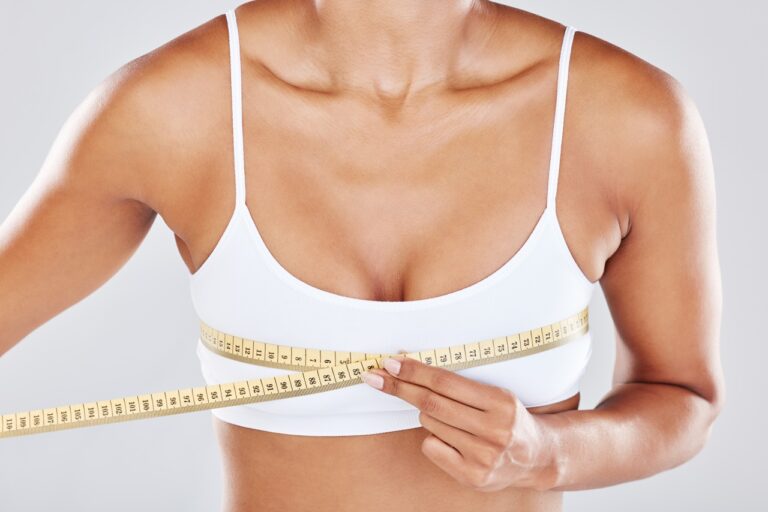
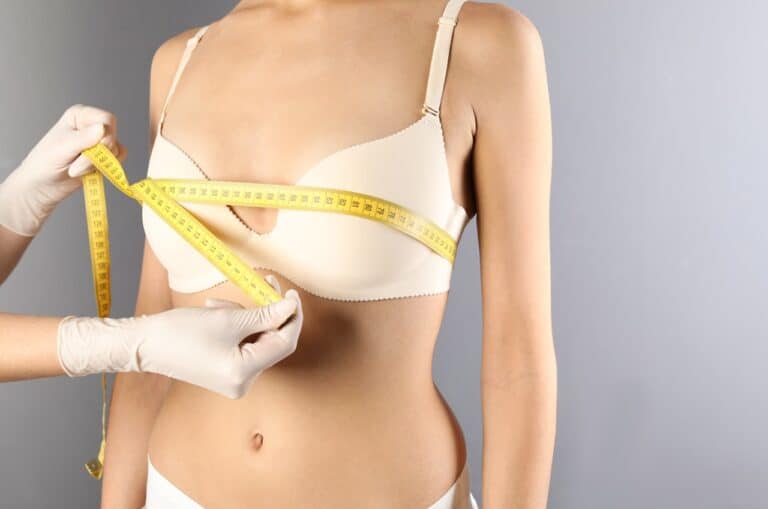
Make sure to measure your bust several times as you recover, since your band size may change rapidly. Snug support without pinching is ideal, giving each breast room to settle into its new shape.
You should not feel any banding, poking, or gaps in the cups. If you notice any discomfort, marks, or shifting, it often means the fit is not correct and you should try a different size or style.
Timeline for Bra Use After Breast Reduction
Your bra needs will change throughout your breast reduction healing process. At Breast Reduction Surgeons of Long Island, our surgeon customizes these recommendations based on your unique case, but the following timeline provides typical guidance.
First Two Weeks After Surgery
The surgical bra is essential right after your procedure. Most patients wear it 24 hours each day, removing it only to bathe. This level of support helps control swelling and protects incisions as they start to close.
You may notice mild discomfort, but surgical bras help minimize movement and shield the skin. It is important to follow all instructions about bra use during this period.
Weeks Three to Six: Easing Swelling
By the third week, swelling starts to decrease and your range of motion improves. Some patients may switch to a softer compression bra or sports-style bra once drains come out, if used.
You still need a supportive, wireless bra day and night. Avoid going braless, as this can undermine your results and slow healing.
After Six Weeks: Transition to Everyday Bras
Once your surgeon gives clearance, you may introduce regular, wireless bras. Sports bras or seamless wireless styles provide good support as your breasts fully settle.
Underwire bras usually remain off-limits until at least eight weeks post-surgery. Your doctor will let you know exactly when it is safe, depending on your specific healing.
At this stage, select bras that have full coverage and continue to avoid tight bands or rigid fits.
Types of Bras for Post-Reduction Recovery and Daily Life
You have several types of bras to consider as your healing journey continues. The ideal choice depends on which stage of recovery you are in and what feels best for your body.
1. Surgical Compression Bras
Surgical bras offer the most support and are usually prescribed for the first two to four weeks. These bras use strong yet gentle compression to keep swelling under control. They often have wide bands, a front closure, and no underwire.
You can find surgical bras in various cup shapes, so look for models that fit seamlessly against your chest without gaps. Your breasts should feel stable but not squeezed.
2. Wireless Sports Bras
Sports bras with a wireless, high-support design make a great choice as soon as swelling goes down. Many patients use these as a bridge between surgical bras and regular bras.
Look for options with broad, soft straps and moisture-wicking fabrics. The best sports bras hold everything in place without pressure or restriction.
3. Soft Cup Bras
Soft cup bras are gentle enough for late-stage recovery and daily wear after your incisions close fully. These bras offer natural shaping and moderate lift while remaining easy on the skin.
Some brands design these bras with removable pads, so you can customize support to suit your needs.
4. Everyday Wireless or Seamless Bras
Wireless everyday bras offer a blend of comfort, shape, and ease for most daily activities. Seamless designs remain popular because they avoid rubbing or lines under clothing.
Opt for bras with enough structure to support your new size, without returning to an underwire until your surgeon gives you the go-ahead.
When to Avoid Certain Bras
Avoid any bra that contains underwire, push-up padding, or tight, elastic bands during recovery. These features may interfere with incision healing, cause discomfort, and compromise your results.
Once your healing process is complete, you can return to most regular bra styles, if you wish. Regular monitoring and consultations keep you on track and help you make smart choices as your needs change.
Top Signs Your Bra Needs to Change
A bra that no longer fits well can hinder your recovery and affect comfort. Watch closely for these signs, so you can address issues quickly.
Here are some important indicators that your bra situation needs attention:
- Redness or Indentations: If your skin develops red marks, cuts, or pronounced indentations, your bra may fit too tightly or rub sensitive areas.
- Persistent Pain: Ongoing discomfort, stabbing sensations, or pinch points in the shoulder straps can mean the fit is all wrong.
- Swelling or Numbness: Unexpected changes in breast size, persistent breast swelling, or numbness can signal pressure from your bra or an unrelated complication.
- Bra Rides Up or Shifts: If your bra constantly moves out of position, gapes at the cups, or “floats,” it likely does not provide the support you need.
- Changes in Breast Shape: Unusual flattening, bulging, or asymmetry may mean your breasts need better support as they settle into their new position.
At every visit to our practice, our surgeon or staff can help check the fit and style of your bra. You should not hesitate to reach out if anything feels uncomfortable. The right support can greatly improve healing and your overall outcome.
Benefits of Wearing the Right Bra After Breast Reduction
The right bra supports much more than just your comfort. It actively encourages your breasts to heal and settle correctly during each phase of recovery.
Better Incision Protection
A good compression or wireless bra shields incision lines from excessive movement and prevents skin breakdown. Secure coverage can guard against accidental pulling when dressing or sleeping.
Breast Reduction Surgeons of Long Island sees better healing results when patients wear properly fitted, surgeon-approved bras. Incisions tend to close faster, which leads to less visible scarring and lower chances of infection.
Swelling Control and Comfort
A bra with the right amount of compression helps prevent unnecessary swelling and fluid retention. Your chest will look smoother and feel less sore when it gets consistent, gentle pressure that aligns with your healing timeline.
You will also benefit from better posture and freedom to move around, since the right bra distributes weight and relieves shoulder and back strain.
Confidence for Daily Activities
As you return to regular tasks and favorite hobbies, proper support keeps you comfortable and allows you to enjoy your new shape. Many patients report feeling much more confident when they know their bra enhances both comfort and appearance.
Long-term, well-fitted bras keep you supported in work, exercise, and social situations. This level of comfort and support makes it easier to enjoy your new look, day after day.
Tips for Shopping for Bras After Breast Reduction
Shopping for new bras can feel confusing right after surgery. Here are some practical tips to help you prioritize comfort and healing every step of the way.
- Schedule a Professional Fitting: Many lingerie shops offer private fittings. Once your surgeon gives the okay, measure your band and cup size again so you get an accurate fit.
- Try Before Purchasing: Always try on a bra or buy from stores with easy returns. Post-surgery bodies change quickly, and you need flexibility as swelling decreases.
- Bring Your Recovery in Mind: For the first few months, consider comfort and gentle compression over fashion. You can explore lace or underwire bras once healing is fully complete.
- Look for Features Meant for Recovery: Seek out bras designed for breast surgery recovery. These often have tags detailing “post-surgery” or “compression” and are available at medical supply retailers and specialty boutiques.
Take your time when choosing bras and check each new purchase against the recommendations from our Long Island office. This extra attention goes a long way toward sustained comfort.
Common Challenges and Solutions During Bra Shopping
Bra shopping after surgery can bring up unexpected challenges. Here is how to manage some of the most common issues patients mention at Breast Reduction Surgeons of Long Island.
Finding the Right Size During Healing
Changes in swelling and breast shape happen throughout early recovery. You may notice that no bra size fits for more than a few weeks.
You can buy a few different sizes or bras with highly adjustable bands and straps to ensure coverage even as your body changes.
Managing Sensitive Skin
Incision lines and healing skin often feel more sensitive. Soft, tag-free bras made from organic cotton or bamboo tend to help. Avoiding seams or lace on cup interiors can reduce itching and discomfort.
Anxiety About Support or Appearance
Some patients worry that new bras will not look flattering or will not offer enough lift. Supportive sports bras and soft cup bras hug your body and still provide gentle shaping, which means you can feel confident through every stage.
Remember, recovery comes first, and you will have time to shop for more decorative bras later. Keep in touch with our team if you have questions or concerns along the way.
Frequently Asked Questions About Post-Reduction Bras
Patients often have practical questions about bras after breast reduction. Our surgical team addresses these common concerns at every appointment.
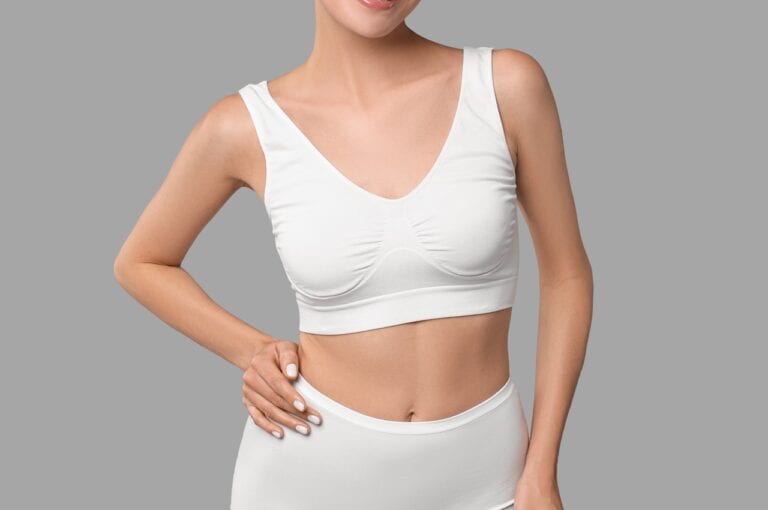
The Right Bra Supports Recovery and Lasting Results
The journey through breast reduction recovery involves physical and emotional changes. Wearing the right bra at the right time gives your body the best chance to heal comfortably and preserves the beautiful results you deserve.
You will find that your early investment in proper support pays off in less pain, faster incision healing, and a smoother transition back to daily life. Choosing bras that match each stage of recovery protects your new breast shape and supports your confidence, every day.
If you are uncertain about which bra to choose or have questions about your healing, reach out to the team at Breast Reduction Surgeons of Long Island. Our staff is here to answer questions, guide you through each step, and ensure your comfort long after your procedure. Schedule your consultation today and take the next step toward confident, supported healing.