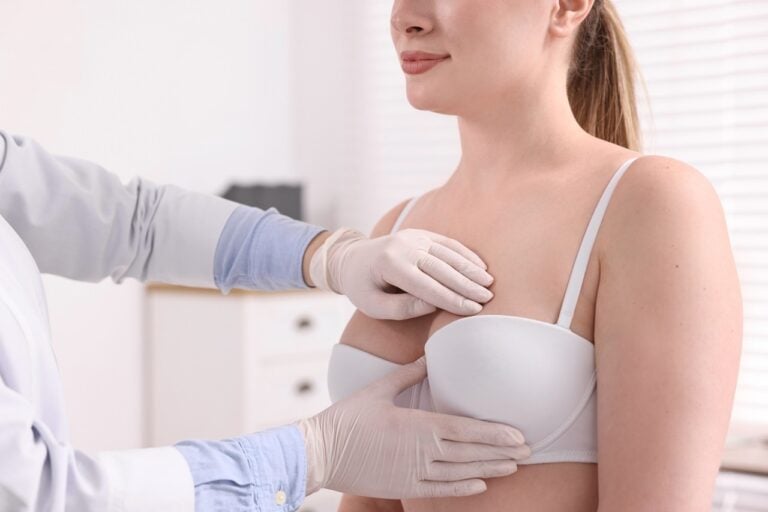
Breast reduction surgery often marks a new beginning for those who have struggled with the physical and emotional burden of overly large breasts. Many women who visit Breast Reduction Surgeons of Long Island find that the healing process can inspire both relief and a few questions about what to expect at each step.
You set yourself up for a much smoother recovery once you know what happens during each healing stage. Clear information helps prepare you for changes in your body and supports your peace of mind throughout the journey. Our surgeon and care team want you to feel informed and confident as you move through every phase of healing.
Key Takeaways
Key Phases After Breast Reduction Surgery
After breast reduction surgery, healing unfolds in several defined stages. Each phase brings its own set of sensations, restrictions, and milestones on the way to your final result.
The Immediate Post-Surgical Period
You will spend the first few hours in a recovery area as anesthesia wears off. Our team monitors your vital signs and keeps you comfortable.
Incisions are covered with surgical dressings. Surgical drains may sometimes be used to remove excess fluid. Our surgeon will review every step to keep you informed and supported.
Most patients return home the same day. We recommend arranging for someone to drive you and to help at home.
The First Week: Building a Foundation for Healing
Swelling, bruising, and moderate discomfort are common in the initial days. Our doctor may prescribe medications to manage pain and prevent infection.
You must keep all dressings dry and intact. Avoid sleeping on your stomach, and rest with your upper body slightly elevated.
Light walking around your home helps lower the risk of blood clots while not straining your body. Our team usually schedules your first post-op check-up within 5–7 days.
The First Month: Steady Improvement
Over the next few weeks, swelling and bruising begin to fade. You can usually switch from surgical dressings to a surgical bra as advised.
Sutures may dissolve naturally or require removal at our office. Sensations like itching, numbness, or tingling often appear as nerves start to recover.
Activity must remain gentle and limited. You should not lift anything heavier than a gallon of milk, and intense exercise remains off-limits. Focus on self-care and allow your body to rest for optimal healing.
What to Expect from Incisions and Scarring
Healing after a breast reduction involves noticeable changes in the incisions and skin. You feel much less anxious about your evolving scars when you know exactly what to expect at each step.
Early Scar Appearance
In the first month, incision lines look red or pink, and the surrounding area may feel firm or slightly raised. This stage often causes concern, but it is normal as the body’s healing process begins.
Our Long Island surgeon uses specialized closure methods to encourage neat scars and more even results. Taking good care of your incisions greatly improves how scars settle over time.
Scar Evolution and Maturation
Breast scars soften and gradually fade as the months go by. Most fading occurs between 6 and 12 months post-surgery.
Scars might look brownish or purplish if your skin tone is deeper. Usually, scars flatten and lighten, sometimes becoming nearly invisible in natural skin folds.
You may use silicone sheeting, scar gels, or gentle massage with your doctor’s approval. Avoid direct sun exposure on scars, since this can make healing more difficult or darken the skin.
Physical, Sensory, and Emotional Changes
Recovery from breast reduction surgery is not only about physical healing. The process commonly brings several changes in how your breasts feel and how you feel about your body overall.
Common Sensory Changes
Temporary numbness or tingling affects many patients as nerves need time to regenerate. Some areas may remain less sensitive for several months, though most sensation returns eventually.
A small number of women notice permanent changes in breast or nipple sensitivity. Our surgeon takes careful steps to minimize risk, yet some differences are unavoidable.
Emotional Recovery
The emotional impact of surgery can feel uplifting and positive for many, yet some women experience mood swings or concern about changes in appearance.
Healing takes patience and resilience. We encourage you to reach out for support either to our office or your circle of family and friends if you feel anxious or discouraged.
Adjusting to a New Body Shape
It can take time for your breasts to settle into their final shape. Swelling changes, firmness, and fluctuations in contour are all normal early on.
Your overall comfort and confidence usually increase as the breast skin relaxes and scars fade. Many patients report greater ease with physical activities and improved self-image once healing is complete.
Typical Timeline for Healing Stages
Most patients notice dramatic differences in symptoms and appearance as the weeks turn into months. These timelines provide a guideline for what you may experience, although every recovery moves at its own pace.
Breast Reduction Healing Milestones
Reviewing these guideposts can help you know what to expect at each stage.
- First 1–3 Days: Most patients experience swelling, some bruising, and mild to moderate pain managed with medication. Breast reduction drains and surgical dressings work together to collect excess fluids, preventing buildup and protecting the area as tissues start to heal.
- Week 1: Bruising peaks, and you may notice fullness or tightness in the breasts. Light activities like walking support healthy blood flow. Your first post-op appointment confirms good healing and lets our surgeon address concerns.
- Week 2–4: Swelling and discomfort lessen, and most bruising fades. Surgical dressings come off. Supportive surgical bras become your main undergarment. Sutures may dissolve or be removed at follow-up.
- Month 2–3: The majority of swelling has resolved. You may resume some daily activities and low-impact exercise with your surgeon’s approval. Scars look red but start softening.
- Months 4–12: Breast shape continues to settle, and any unevenness often corrects itself naturally. Scars fade and flatten further. Most or all feelings of numbness improve.
Most patients reach their final breast shape about one year after surgery. Our Long Island office provides continued care throughout this process to answer any questions that might arise.
Helpful Tips for Breast Reduction Recovery
Proper care can affect both how quickly you heal and the final results you see. The following tips are key to a smooth recovery after breast reduction surgery.
Steps to Optimize Healing
Consider these suggestions as you plan for comfort and a lower risk of complications.
- Wear the Right Support: Use the surgical bra after breast reduction provided by our surgeon, and do not switch to an underwire bra until cleared by our team. Proper support reduces swelling and protects the incisions.
- Eat Nutritious Foods: Focus on balanced meals with plenty of protein, fruits, and vegetables to supply your body with what it needs to rebuild tissue.
- Protect Your Incisions: Keep all wounds clean and dry, and follow the specific cleaning instructions provided by our doctor.
- Move Gently: Start with slow walking in your home, and ask our surgeon before returning to more intense exercise.
- Avoid Stimulants and Smoking: Smoking and certain medications slow the healing of wounds and increase the risk of scarring and complications. Let us know about any products or habits you have so we can offer proper guidance.
- Attend All Follow-Up Visits: Regular check-ins let our Long Island lead plastic surgeon and surgical team catch issues early and celebrate progress with you.
Following these tips helps you stay on track and notice any warning signs early.
Signs That Require Prompt Medical Attention
Though recovery generally follows a smooth course, complications can occur. Pay close attention to your healing and reach out to us if certain symptoms appear.
Warning Symptoms After Breast Reduction
Knowing which signs mean you should call our office leads to quicker solutions and safer recovery.
- Fever Over 101°F: A high temperature may suggest infection after breast reduction and needs quick evaluation.
- Excessive Drainage or Bleeding: Soaking dressings with blood or pus, or smelling an odor near the incision, is not normal.
- Sudden Swelling or Hardness: Rapid changes in breast size, new areas of redness, or lumps should be checked right away.
- Severe Pain Not Relieved by Medication: Intense, lasting pain may point to something more serious.
- Shortness of Breath or Chest Pain: These symptoms can suggest a clot or other major issues and need immediate attention.
Please call Breast Reduction Surgeons of Long Island at any time if you notice these symptoms. Our team prioritizes your health and comfort.
Returning to Work and Activities
Moving back into your usual routines is a big focus during breast reduction healing. Most patients have questions about when it is safe to drive, return to a job, or participate in sports.
Timeline for Resuming Activities
Your ability to return to normal routines depends on the type of work or activity, the complexity of your breast reduction procedure, and how your body responds. Our surgeon guides you at every check-in based on your personal progress.
For desk jobs or work that does not require heavy lifting, most patients return after 7–14 days. You may need help with children or chores during this time, especially with lifting or pushing.
More strenuous jobs demand a longer break, usually about three to four weeks, until you are cleared for full activity. Exercise, such as running or weight lifting, often begins at six to eight weeks post-surgery, depending on your rate of healing.
Always check with our surgeon before resuming any new activity. Moving ahead too soon can delay healing or worsen scarring.
The Role of Follow-Up Care and Long-Term Results
Follow-up visits provide a vital link in your ongoing healing after breast reduction. Each appointment with our Long Island office allows close monitoring and support.
Ongoing Assessment and Support
At every visit, our surgeon examines your incisions, checks your breast shape, and answers your questions. Small problems get caught and treated before they cause bigger issues.
Appointments also mark your progress, letting you celebrate milestones and recover from any setbacks with professional reassurance. Open communication helps you feel more at ease through every step.
Enjoying the Long-Term Results
Final results take time to appear, with shape, softness, and scar color improving for up to 12–18 months. Keeping up with post-surgical visits ensures that your breasts heal with the best possible outcome.
Many women notice easier movement, fewer skin problems, and greater wardrobe choices after breast reduction. Positive emotional changes often follow as comfort and confidence grow.

Our Commitment to Your Breast Reduction Journey
Healing after breast reduction unfolds in stages, and knowing what to expect at every phase can ease your mind. With every patient, our surgeon at Breast Reduction Surgeons of Long Island guides the healing, supports safety, and checks progress until you reach your goals.
Most patients experience a smoother recovery by following instructions, attending follow-ups, and keeping realistic expectations. Every healing journey moves at its own pace, but reassurance and knowledge can make a big difference.
If you are considering breast reduction or have lingering questions about recovery, our Long Island team welcomes your call. Reach out to Breast Reduction Surgeons of Long Island to schedule a consultation, and let us guide you toward confidence and comfort every step of the way.