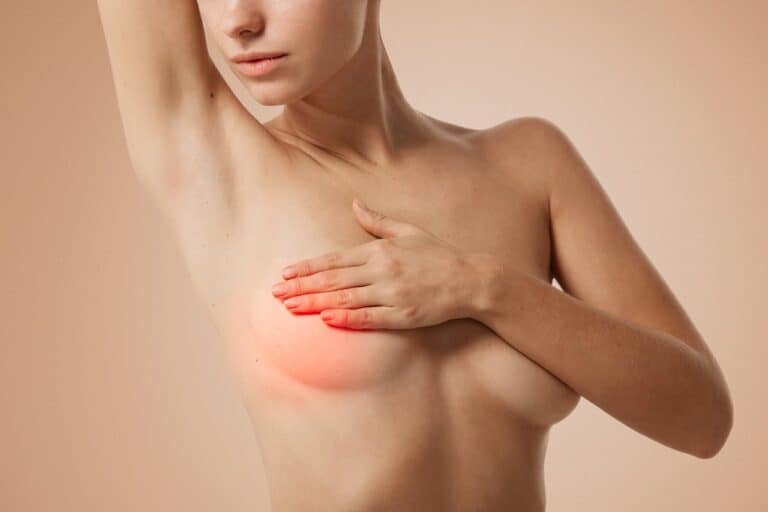
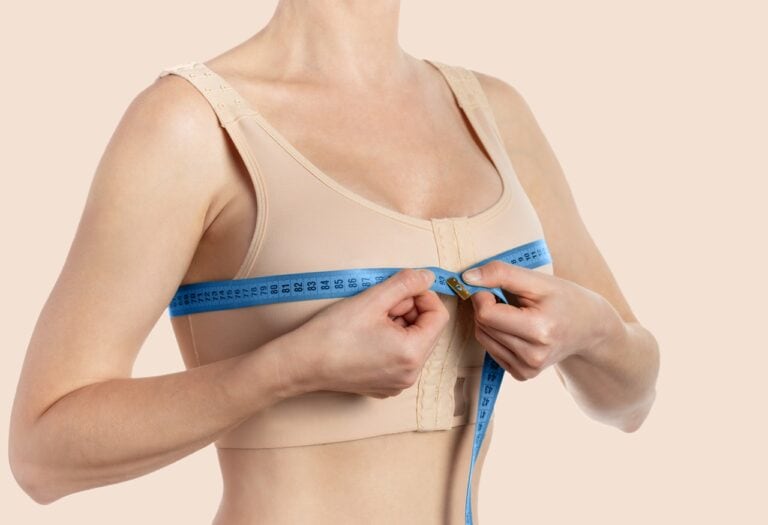
Choosing breast reduction surgery for back pain, neck pain, and shoulder strain can bring powerful physical relief while helping you feel more comfortable in your body and daily life. The days and weeks after surgery are crucial for recovery, and while most patients heal without trouble, some face the risk of infection if wounds do not heal as expected.
Our team at the Breast Reduction Surgeons of Long Island knows that thinking about infection may cause anxiety, especially as you focus on healing and looking forward to your results. By learning the clear signs of infection, what to watch for, and how you can play an active role in your recovery, you put yourself in the best position for a safe, smooth healing process.
Let us walk you through what you need to know about spotting infection early, caring for your incisions, and steps our surgical team takes to keep complications as rare as possible.
Key Takeaways
What Increases the Risk of Infection After Breast Reduction?
Every surgical procedure carries infection risk, and breast reduction is no different. Several factors make infection more likely in some patients than others.
Medical and Lifestyle Factors
Patients with diabetes, autoimmune conditions, or high body mass index may have slower healing and higher infection risk. Smoking weakens the body’s ability to fight off bacteria. Inadequate nutrition and chronic illness can also impact your immune response.
Surgical and Environmental Factors
Longer surgical times can slightly raise the likelihood of infection as incisions remain open for a greater period. Hospitals and surgery centers work diligently to sterilize the environment, but bacteria can still enter wounds, especially if dressings loosen or get wet after discharge.
Our lead plastic surgeon screens every patient and reviews medical history and current habits. This careful planning and preparation help address risks before surgery and tailor advice for each person.
Early Signs of Infection to Watch for After Breast Reduction
Your first clue that something may not be right with your healing usually appears at or near the incision site. Our team will guide you on what is normal and what requires a call to our office, but being aware of infection symptoms ensures you act quickly if they occur.
Redness and Swelling
A small amount of pinkness and swelling is normal for the first few days after surgery as your body begins to repair itself. You should pay attention if the redness becomes more intense, spreads out from the incision, or if swelling increases rather than goes down.
Drainage From Incisions
Clear or slightly bloody fluid from incisions often appears in the first one or two days and then fades. Yellow, green, or foul-smelling drainage usually signals infection and calls for prompt evaluation by our doctor.
New or Worsening Pain
While many patients wonder how painful breast reduction surgery is, mild discomfort is common, but sharp pain, throbbing, or a sudden increase after the initial few days suggests a closer look is needed, especially if paired with other symptoms such as redness or swelling.
Signs That Need Immediate Attention
Some symptoms mean you need to call our office or go to the emergency room without delay. If you notice fevers above 100.4°F, rapid swelling, chills, or feel weak, contact us right away. Severe wounds that start to open or leak pus also count as emergencies.
How Our Surgical Team Helps Prevent Infections
Patients often want to know how we keep infection rates low and what happens behind the scenes to protect your health.
Sterile Operating Room Techniques
Our Long Island operating suites meet strict hospital-grade sterilization standards. Our doctor and the surgical staff scrub hands, don sterile gowns and gloves, and use ultra-clean instruments before every case. This approach lowers the risk that bacteria will enter your body during the procedure.
Proactive Antibiotic Use
Most breast reduction patients receive a dose of antibiotics during and after surgery. This step wards off bacteria as the body heals and provides an extra layer of defense during the first few vulnerable days.
Meticulous Incision Closure
Our surgeon uses surgical techniques designed to minimize gaps in the skin and place internal or dissolvable stitches that reduce the risk of bacteria entering the wound. We carefully select wound coverings and provide clear, written instructions for wound care at home.
Our careful planning continues into your recovery. At your follow-up visits, our surgeon examines every incision to catch any early trouble.
Step-by-Step Guide to Caring for Your Incisions at Home
After leaving our Long Island office, most of your recovery happens at home. Proper wound care goes a long way in preventing infection after breast reduction.
Daily Hygiene Routine
First, always wash your hands well with soap and water before touching dressings or incisions. Keep your wounds clean and dry, replacing bandages only as directed by our surgical team. Use a clean, soft towel to gently pat the area dry after showers. Do not apply lotions, powders, or ointments unless prescribed.
Advice on Bra and Clothing Choices
You should wear the surgical bra or compression garment provided by our team for as many hours per day as we recommend, often 22 hours each day during the first week. This garment reduces swelling, supports the chest, and limits shifting that could open wounds. Looser clothing prevents fabric from irritating incisions and also keeps the area cleaner.
Bathing and Physical Activity
Showers may be allowed after the first one or two days, but only after our doctor gives the go-ahead. Baths, pools, or hot tubs must be avoided for at least 4 weeks, as these can expose wounds to bacteria. Take care to limit lifting, pushing, or pulling motions for at least 4 weeks, because excess strain can stress the incisions and slow healing.
Lifestyle Choices That Promote Faster, Safer Healing
A few daily habits can make a big difference in your risk of infection and your overall recovery quality.
Here are some key lifestyle changes that safeguard your healing and protect your investment in surgery:
- Eat nourishing foods: Diets rich in protein, fruits, and vegetables help your body build new tissue and fight bacteria more effectively.
- Stay hydrated: Drinking plenty of water supports healing, keeps your tissues healthy, and reduces swelling.
- Do not smoke or vape: Cigarette and nicotine use lowers blood flow to incisions, delays wound healing, and increases the infection rate after surgery.
- Practice good sleep hygiene: Aim for at least 7 to 8 hours of nightly sleep, as rest helps your immune system work its best and wards off complications.
- Reduce stress: Gentle walks, meditation, or relaxing activities keep hormones balanced, which encourages healthy recovery and wound strength.
Small, gradual changes in these areas build your overall wellness and directly benefit your recovery from breast reduction. If you have concerns or unique dietary needs, our surgeon and team can help tailor advice to your situation.
What to Do If You Suspect an Infection
Many infections heal quickly with early intervention, so reaching out at the first sign of trouble helps limit complications.
When to Call the Office
Some symptoms require a phone call to our staff as soon as you notice them. Increased redness, drainage, odor, or warmth from the wound count as early clues. Fevers over 100.4°F should always prompt a call for advice.
At-Home Steps Before Your Visit
You can write down the onset and nature of your symptoms for our doctor’s reference. Take your temperature and note timing, color, and amount of drainage. Avoid manipulating or applying creams to incisions before our surgeon has seen the wound. Continue wearing your surgical bra unless directed otherwise.
During Your Visit or Consultation
Our team may clean wounds, swab the area, or take a wound culture to pinpoint the cause and type of infection. Some cases respond with oral antibiotics, while others may need minor wound care or drainage procedures at our Long Island office.
Nearly all infections get better quickly with appropriate care, so do not hesitate to seek help.
Frequently Asked Questions About Breast Reduction Infection and Prevention
Many patients have concerns about wound healing, infection, and how to care for their new incisions. Here, we address some of the most common questions we hear.

Prevent Complications After Breast Reduction: Final Thoughts
When you know how to identify signs of infection, care for your wounds, and partner with our Long Island surgical team, you set yourself up for immediate relief from pain while boosting your comfort and confidence through all breast reduction healing stages.
Paying attention to redness, drainage, and swelling and following your wound care instructions closely give your body what it needs to heal without setbacks. Small daily choices in nutrition, sleep, and activity all add up to a smooth, problem-free experience.
If you notice anything worrisome or just want peace of mind, our staff at the Breast Reduction Surgeons of Long Island always welcomes your call or visit. Reach out to us today to discuss your questions, schedule follow-up care, or plan your next steps toward a healthier, more comfortable you.