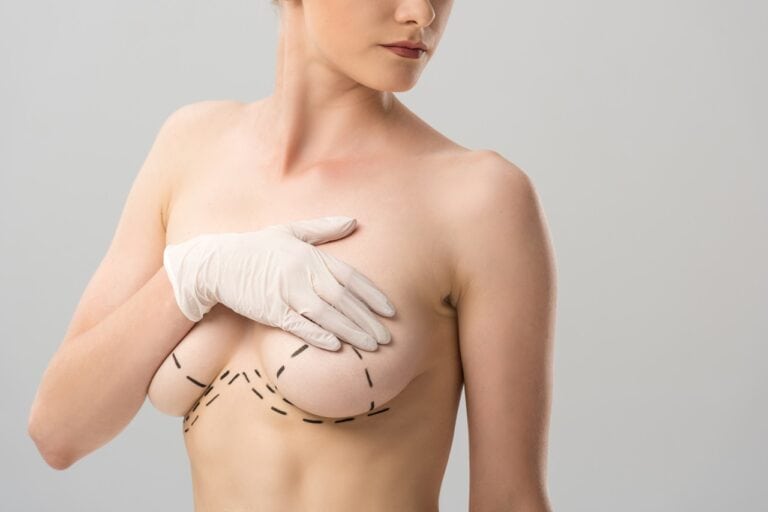
Recovering from a breast reduction can be a time filled with questions and new experiences. At the Breast Reduction Surgeons of Long Island, we know that patients often want to understand every detail of their procedure, including what to expect with surgical drains.
Breast reduction drains are an important part of healing for many patients. Knowing what these tubes do, why they matter, and how to care for them helps set realistic expectations for recovery. In this article, we will break down all of the key points, so you feel comfortable and informed every step of the way.
Key Takeaways
A Clear Guide to Breast Reduction Drains
What Are Breast Reduction Drains?
After a breast reduction, your body may produce extra fluid as it reacts to the surgery. This fluid, if left under the skin, can cause swelling or lead to a collection called a seroma. A surgical drain gives this fluid a clear way out of your body, which protects your healing tissues and lowers discomfort.
A drain is usually a thin, flexible tube attached to a small bulb or reservoir. This system uses gentle suction. The drain sits under the skin at the site of the procedure and exits the body through a small stitch or opening near the incision.
Why Our Surgeon Uses Drains
Our doctor often places drains to prevent fluid from collecting in the tissue after surgery. This detail helps reduce swelling and makes the recovery smoother for most patients. While some surgeons skip drains for smaller reductions, larger procedures create more space under the skin.
An ideal breast reduction candidate with significant macromastia will typically require drains to actively clear this space and ensure a safe, predictable recovery. Monitoring drain output also helps alert our team to any problems early. A sudden increase, decrease, or change in color signals possible issues that can be addressed before they develop into serious complications.
How Drains Support Recovery
Surgical drains make the healing process safer and more predictable. The reduction in swelling helps prevent delayed wound healing, skin tension, or infection. For many patients, the use of drains leads to less bruising and tenderness in the days after the procedure. This may also improve how the scars mature over time by minimizing fluid pressure under the skin.
Types of Drains Used in Breast Reduction
Our surgical team selects the drain type carefully based on your needs and the specifics of your procedure. Here is a breakdown of the main options and how each functions.
Closed Suction Drains
Closed suction drains are the most common choice across various breast reduction procedures, and the Jackson-Pratt (JP) drain is a typical example utilized by our team. It has a soft, flexible tube connected to a small bulb-shaped reservoir. The bulb, when squeezed, gently pulls fluid out through the tube and into the reservoir.
This closed system limits the risk of infection because the fluid never comes into contact with the outside environment. The design also makes it easy for patients to track fluid output and see when the system needs to be emptied.
Open Drains and Other Systems
Open drains, such as Penrose drains, are uncommon in breast reduction surgery. These types keep the wound open and do not use suction, which increases the risk of infection and is less comfortable for most patients.
Some surgeons prefer specialized drains that tuck away even better under clothing or use anti-reflux valves that prevent fluid from moving backward into the body. However, the Jackson-Pratt system remains the standard in most breast reduction cases due to its safety and track record.
Closed suction drains allow our doctor to balance strong fluid removal with comfort and protection for your healing incision.
The Drain Placement Process
Many patients ask what to expect when our doctor places drains during breast reduction surgery. Here is a step-by-step overview.
When and How Drains Are Placed
Drains are inserted during the breast reduction procedure, right before our surgeon completes the closure of your incisions. Using a clean technique, our team guides the tube into a space under the skin where fluid usually collects most.
The exit point for each drain is chosen to avoid putting stress on your incision lines. Our surgeon secures the tube in place with a tiny suture, so it stays steady while you move around.
The end of the tube connects to a bulb or bottle, which sits outside the body. This ends up clipped to your surgical bra or taped to your side for easy access.
What You Feel During Placement
You will not feel the drains being placed during surgery, as you are asleep under anesthesia. After you wake up, you may notice the tubes, but you should not feel pain from them. Some patients experience a gentle tugging or slight pressure, especially if the drain tubing brushes against the skin.
Your focus will shift quickly to keeping the area clean and learning to empty the drains safely at home. Our staff gives step-by-step lessons before you leave the surgical center.
How to Care for Your Drains at Home
Proper care for your surgical drains plays a major role in your short-term healing and cosmetic results. Managing these devices is a vital element of your overall recovery plan after breast reduction, and our Long Island team provides clear, easy-to-follow instructions to support you at home.
Steps for Daily Drain Care
Once you return home, drain care becomes part of your daily routine. We encourage you to ask questions until you feel confident with each step.
Daily Drain Care for Breast Reduction Patients
After your procedure, focus on these main actions to keep your drains effective and your recovery smooth.
- Emptying the Reservoir: Monitor fluid buildup in the bulb and empty it at regular intervals. This prevents the bulb from filling up completely, which could reduce suction and effectiveness.
- Recording Output: Use the drainage log we provide to track how much fluid you empty every time. Record the amount, color, and time for each measurement. This helps our surgeon gauge your progress and know exactly when to remove the drains.
- Cleaning Drain Sites: Cleanse around the drain exit with antibiotic ointment and gauze or a clean cloth. Make sure to keep the area dry and avoid letting the drain pull or tug as you move.
- Stripping the Tubing: Gently pinch the tubing from the site nearest your skin and move toward the bulb, using alcohol wipes if directed. This helps clear the tube of any clots that could block fluid flow.
- Securing the Drains: Attach the bulb or collection device to your surgical bra or clothing using the provided clips. This reduces unwanted movement and keeps the tubing from pulling.
These steps, when followed carefully, help prevent infections or delays in your healing process.
Home Comfort and Activity
Wear loose, soft clothing and a surgical bra that avoids pressing directly against your drains. Our team suggests that you move carefully and avoid lifting your arms sharply above your head for the first week.
You can shower, but avoid submerging the drains or getting them wet until our doctor says it is safe. If you have any redness, pain, or pus at the site, call our office promptly.
When Do Drains Come Out?
Knowing the timeline for drain removal helps set realistic recovery goals. Most breast reduction drains are not permanent.
How Long Drains Remain
For most patients, our surgical team removes the drains within 3 to 7 days after the breast reduction. The actual timing depends on your body’s response and the amount of fluid your drains collect.
Our doctor looks for several signs before removing the drains:
- The daily drainage amount drops below about 30 milliliters in a 24-hour period.
- The color and consistency of the drainage become lighter and less bloody.
- The skin and incision appear to be healing well with no extra swelling, redness, or tenderness.
Some patients, especially those with larger reductions or medical conditions that slow healing, may need drains for a bit longer.
What Removal Involves
Drain removal is a simple office procedure and does not require anesthesia. Our doctor snips the stitch holding the tube, then gently slides the tube out while you take a deep breath. You can expect to feel a gentle tug, but pain is minimal.
A small sterile bandage covers the site for a day or two after removal. The opening often seals within a few hours. You should watch for any clear or pink drainage for a day or two after the drain comes out.
If you have more than the expected amount of fluid or notice redness, swelling, or fever, let our office know promptly.
Possible Complications Linked to Drains
Most patients do not have problems with their drains, but our team always wants you to recognize the possible risks. Quick action can keep small issues from turning into larger ones.
Main Risks Linked to Breast Reduction Drains
Our office explains these concerns so you know what signs to watch for during the first week of recovery:
- Infection: Redness, heat, spreading rash, or pus near the drain site could point to an infection. This usually needs extra antibiotics or, in rare cases, early drain removal.
- Clogging or Blockage: If fluid stops draining or the bulb no longer refills, a blood clot or tissue may be blocking the tube. Gently strip the tubing and call our office if the problem lasts more than a few hours.
- Accidental Dislodgment: Sudden pulling, a fall, or tangling can cause the drain to slip out or change position. If this happens, cover the site and contact our team.
- Persistent Drainage: High fluid output that does not slow down after a week may mean your body is reacting strongly to the surgery. Our doctor may need to keep the drain in longer or run tests to make sure there is no underlying problem.
- Skin Irritation or Allergic Reaction: Some patients notice redness, itching, or blisters from the tape or dressing. Let us know if the area gets worse or if you have trouble keeping it clean.
Awareness of these concerns means you can jump into action if anything feels off with your drains.
Tips for a Smooth Recovery With Drains
Patients at our Long Island office often ask for extra tips to make their early recovery as easy as possible. Our team recommends several practical steps when you are caring for drains at home.
How to Make Drain Care Easier
Prioritize comfort and safety as you move through the first week of healing.
- Plan Your Clothing: Choose button-down shirts and loose tops that do not press on the drains or incision areas.
- Organize Your Supplies: Set up a small tray or basket for gauze, alcohol wipes, drain logs, and tape. Keeping drain care tools in one place helps you stay organized.
- Sleep on Your Back: Use extra pillows to support your body and prevent accidental pulling or rolling onto the drains at night.
- Check Your Output Regularly: Watch both the amount and color of drainage. Contact our office if you notice any thick yellow fluid, foul smell, or sudden spike in fluid volume.
- Reach Out When Unsure: If anything feels uncomfortable, swollen, or overly red, do not wait. Give the Breast Reduction Surgeons of Long Island a call for advice or an in-person check.
By following this advice, you help set yourself up for a smoother recovery and the best possible results.
Life After Drain Removal
Returning to life without drains brings relief for many breast reduction patients. After our doctor removes your drains, you begin to focus more on normal activities and the next phase of healing.
The small opening where the drain exited closes within a few days. Keep the area clean and dry, and swap out bandages as directed. Light spotting or clear fluid can happen for a short period but should stop quickly.
Most patients by this point resume showering, gentle stretching, and increase their activity level as guided by our team. Watch for any new swelling or pain, which is uncommon but should be checked if it happens.
Staying on track with your follow-up visits, wound care, and healthy habits will help guarantee a safe and confident transition to normal routines after surgery.

Common Questions and Concerns About Breast Reduction Drains
Many patients share similar concerns when they see drains for the first time. Our office believes in answering every question before and after surgery.
Get the Support You Need for a Smooth Recovery
Peace of mind makes a big difference after breast reduction surgery. At the Breast Reduction Surgeons of Long Island, our surgeon and staff support you throughout recovery, from drain care to the last office visit.
Actionable care instructions for surgical drains remove the guesswork from your healing process and keep you comfortable at home. Our team always answers questions and personalizes instructions to suit your needs, so every step feels manageable.
If you want more information about breast reduction drains or need guidance about the procedure, reach out to our Long Island office. Schedule a consultation and take the next step toward feeling comfortable and confident on your breast reduction journey.