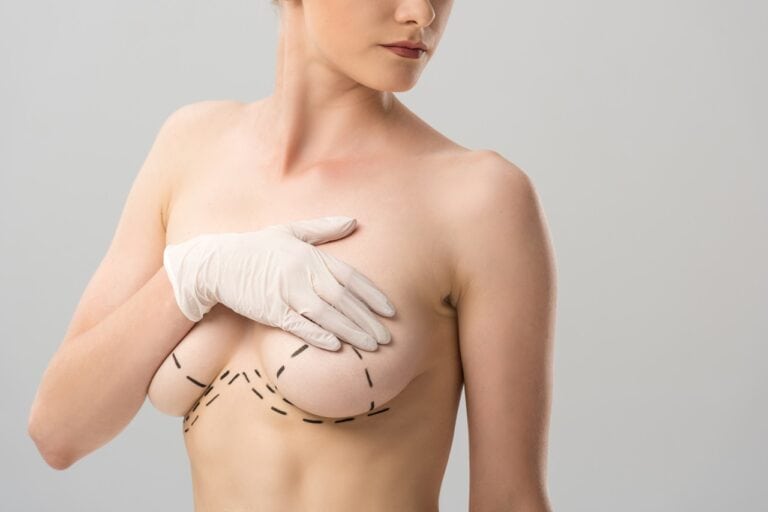
Breastfeeding after breast reduction surgery can raise many questions and concerns. At the Breast Reduction Surgeons of Long Island, we often meet women who wish to start or continue breastfeeding after their breast procedure. Some want to understand what to expect, while others want to know how they can prepare for success.
We always encourage open conversations about your goals and long-term plans as you consider breast reduction. With the right surgical approach and support, many women can successfully breastfeed after surgery. This article outlines what you should know, offers guidance, and helps you make informed decisions about your health.
Key Takeaways
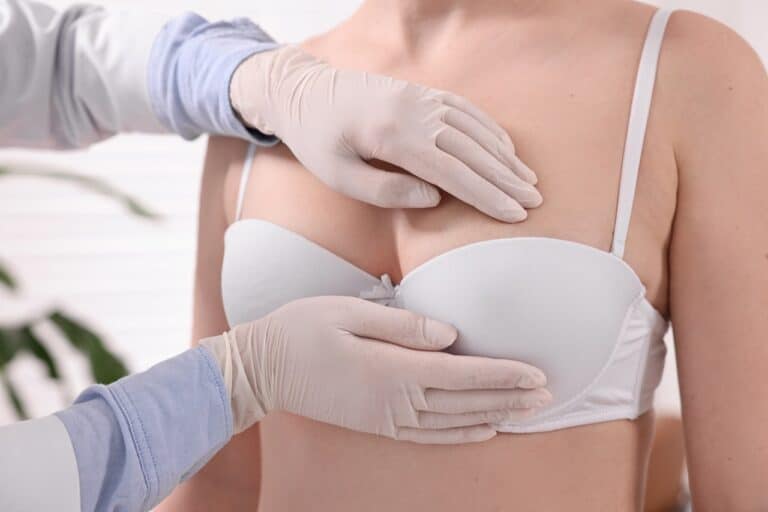
What Happens During Breast Reduction Surgery
Breast reduction removes excess breast tissue, skin, and fat to alleviate pain and discomfort. The details of your surgery shape your future ability to breastfeed.
Surgical Techniques and Their Impact
Different surgical methods offer different chances of breastfeeding success. Our surgeon may use one of several common techniques, focusing on either keeping or removing certain parts of breast tissue and nerves.
- Pedicle technique: This method keeps a portion of tissue (called a pedicle) attached to the nipple and areola. It preserves more nerves and ducts, increasing the likelihood of future breastfeeding.
- Free nipple graft: This approach removes the nipple and areola, then reattaches them after shaping the breast. This severs most milk ducts and nerves, making breastfeeding far less likely.
- Vertical (lollipop) or short scar reductions: With these approaches, more connecting tissue stays intact. Many women do well with breastfeeding after these options.
Our surgical team tailors your procedure based on breast size, shape, your health, and goals for breastfeeding. Always share your wishes about future children or nursing before surgery.
The Role of Nerves and Milk Ducts
The ability to breastfeed relies on nerves and milk ducts connecting the nipple to the glandular breast tissue. Surgery can disconnect, damage, or preserve these structures, which directly affects milk production and let-down ability.
Our surgeon strives to keep critical nerve pathways, especially the fourth intercostal nerve, as intact as possible. These nerves do not just supply sensation. They also instruct the body to release hormones that produce and move milk.
If these pathways stay healthy, your chance of successful breastfeeding goes up. If more tissue or the nipple is removed or repositioned, breastfeeding can become more difficult or, in rare cases, impossible.
Chances of Breastfeeding Success After Surgery
Your odds for breastfeeding depend on a combination of surgical and personal factors. No guarantee exists, but many women breastfeed (fully or partially) after breast reduction.
Factors That Influence Breastfeeding Ability
Several elements come together to shape your outcome.
- The surgical method used, especially techniques that keep the nipple attached to underlying tissue, offers a better chance of future breastfeeding.
- The volume of tissue removed can influence milk production. More extensive tissue removal tends to affect lactation more.
- The length of time since surgery can matter. Longer healing periods increase the likelihood of the nerves and ducts recovering some function.
- Your personal breastfeeding history, if you have previously nursed children, may offer useful clues for potential supply.
- Your age and general health make a difference in tissue recovery and milk-making ability.
Age, genetics, and breast anatomy create different results for each woman. Discuss these details with your surgeon beforehand to get a realistic picture.
Statistics and What to Expect
Studies show that up to 60 to 80 percent of women who keep the nipple attached during reduction surgery can breastfeed or partially breastfeed. Most of these women produce at least some milk.
Full milk supply is less common. Most women supplement with formula, donor milk, or solids at some stage. Glandular tissue removal usually lowers total milk output, but feeding some breast milk can still give your baby important nutrition and immune protection.
If the nipple was completely detached, successful breastfeeding becomes much less likely. Only a small minority of women in this group make enough milk to feed a baby, which highlights how important surgical planning can be.
What to Do Before Breast Reduction if You Want to Breastfeed
Planning ahead can greatly improve your chances of breastfeeding successfully after breast reduction. Our surgical team offers advice and resources to support future mothers.
Steps to Take Before Surgery
Here are important steps to follow if breastfeeding after reduction is a priority for you.
- Speak openly with your surgeon: Always tell your surgeon about your wish to breastfeed in the future. Sharing clear goals helps your doctor plan the most suitable technique for you.
- Choose an experienced surgeon: Surgeons who routinely perform breast reduction for younger women or women planning more children tend to use methods that preserve nerves and ducts.
- Ask about surgical technique: Inquire which methods will best support your breastfeeding goals. The pedicle or vertical approaches usually offer the best opportunity.
- Review your current health: Discuss any pre-existing conditions with our doctor that may affect healing or milk production, such as endocrine disorders or breast abnormalities.
- Have a support plan: Consider arranging a lactation consultant visit before and after childbirth to set realistic expectations and prepare for the process.
Clear communication with your surgical team gives you the best start. Preparation lowers surprises and boosts breastfeeding success.

The Healing Process: What to Expect After Surgery
The recovery timeline and healing of nerves and ducts after your surgery also shape your breastfeeding outcome. Your body’s natural recovery abilities play a key role.
Timeline for Healing
Most patients recover from breast reduction within four to six weeks. The skin and surface tissue heal first, while nerves and milk ducts can need longer. Nerves may regrow or reconnect over twelve to eighteen months, which improves feeling and function in the nipple.
Many women do not try to breastfeed until several years after reduction surgery. This gives the body more time for nerves and ducts to reconnect, which boosts the odds of breastfeeding successfully when the time comes.
Normal Sensations After Recovery
It is common to notice some loss of sensitivity or tingling in the nipple after reduction surgery. In many cases, sensation gradually improves within twelve months. Some women regain nearly normal nipple feeling, while others have permanent numbness.
A loss of sensation does not always prevent milk production, but it can make it harder for the body to start the hormonal signals needed for let-down. The more sensation you recover in the nipple, the better your chances of filling this role.
Breastfeeding Challenges After a Reduction and Solutions
Breastfeeding does not always come easily after any type of breast surgery. New mothers may face a few specific challenges but also find support and practical ways to feed their babies.
Common Challenges for New Mothers
Most women who have had breast reduction surgery encounter at least some difficulties with breastfeeding. These can include
- Lower milk supply: Many find their supply is less than before, especially if large volumes of tissue were removed.
- Difficulty with latching: The shape of the breast and position of the nipple sometimes changes after surgery, which may affect how a baby latches.
- Reduced nipple sensitivity: Less feeling or numbness in the nipple makes it harder to sense the baby’s sucking and for the body to trigger let-down.
- Timing and milk flow issues: The milk may take longer to come in, and some mothers find milk flows unevenly.
Despite these possible challenges, many new mothers still provide partial or full breast milk to their babies after reduction surgery.
Practical Solutions and Support
Planning ahead can make a large difference during your breastfeeding journey. Here are some options that support nursing after breast reduction.
- Schedule a lactation consultant: An experienced consultant can show you how to maximize latch and milk transfer, and offer suggestions based on your unique anatomy.
- Try supplemental feeding tools: Devices like supplemental nursing systems allow your baby to get extra milk at the breast, encouraging milk flow and bonding.
- Encourage frequent feeding: Early and frequent breastfeeding sessions signal to your body to make and move more milk.
- Monitor milk supply closely: Keep track of baby’s weight and diaper count to make sure they are getting enough nutrition.
- Supplement if needed: Many mothers use formula or donor milk alongside breastfeeding. Partial breastfeeding still offers benefits to your baby.
A good support system raises breastfeeding success, even in the face of reduced supply or other challenges.
Ways to Maximize Breastfeeding Success After Surgery
While not every woman who has had a reduction can exclusively breastfeed, you can follow several actions to encourage the best possible outcome.
Tips for Optimizing Breastfeeding Results
Below are practical ways to boost your odds:
- Keep in close touch with your healthcare team: Call our office early if you have concerns about milk supply or latching so we can direct you to extra help.
- Start breastfeeding as soon as possible after birth: Immediate contact and nursing can stimulate milk production and reinforce your baby’s latch techniques.
- Allow your baby to nurse as often as they choose: Frequent feedings build demand and increase supply over time, especially in the early weeks.
- Practice breast compressions and stimulation: Gentle pressure during feeds draws out extra milk and helps signal your body for increased supply.
- Focus on rest and hydration: Good nutrition and plenty of fluids support healing and milk making.
If you encounter struggles, it is important to remember that every bit of breast milk you provide is helpful for your baby. Support can come from our surgical team, lactation consultants, or support groups. We encourage you to ask questions and seek advice as soon as you need it.
Long-Term Outcomes and Additional Considerations
Life after breast reduction holds many positives, such as relief from pain and improved comfort. However, breast reduction surgery also brings some important long-term considerations as you plan for motherhood and nursing.
Changes to Breast Sensation and Aesthetics
Many women notice permanent changes in breast or nipple sensation. Some gain near-normal feeling, while others have reduced sensitivity in the nipple or areola.
Surgical technique, healing process, and your unique anatomy all influence this outcome. These changes rarely impact daily comfort once the area heals, but they can play a larger role in breastfeeding and intimacy.
Impact on Future Surgeries or Revisions
If you require further breast surgery in the future, such as a lift or implant procedure, this can add additional risks to breastfeeding ability. Each surgery may increase scar tissue, disrupt nerves, or change the glandular makeup of the breast.
We always recommend sharing your entire surgical and family planning history with your provider. This allows us to tailor advice and precautions to your situation.
Emotional Considerations and Support
Breastfeeding can feel emotional, especially when challenges arise after surgery. It may help to set flexible goals and remember that feeding your baby is about connection and health, not just the method of feeding.
When needed, seek out mental health support or parent groups. Many local Long Island resources exist for new mothers who want to share their experiences and learn together.

Frequently Asked Questions: Breast Reduction and Breastfeeding
Many patients come to Breast Reduction Surgeons of Long Island with specific questions about breastfeeding after surgery. Here are a few of the most common topics our team addresses.
Planning for Motherhood After Breast Reduction: Your Next Steps
An open conversation with your surgeon can result in a smoother journey to motherhood, whether or not your breastfeeding goals are your highest priority.
Breast reduction surgery relieves pain, boosts confidence, and improves your quality of life. Exploring these overall benefits of breast reduction alongside skilled planning and the right technique ensures you can also experience a rewarding breastfeeding journey with your child.
At the Breast Reduction Surgeons of Long Island, we believe in personalized care and honest advice. Our surgeon guides you through your surgical options, answers your questions, and helps you build an action plan aligned with your future family plans.
If you are thinking about breast reduction and have questions about breastfeeding or motherhood, know that our team is here to guide you step by step. Schedule a consultation today to discuss your goals and take the next step toward comfort and confidence.