Breast reduction surgery changes countless lives every year. Many people visit Breast Reduction Surgeons of Long Island because neck, back, and shoulder pain become too much to handle.
If you are considering this procedure, pain is a natural concern. By learning what to expect, you can step into the process with more knowledge and less uncertainty. Our team wants each person to make confident, informed decisions about breast reduction. As we move forward, you will discover what happens during breast reduction, how it may feel, and what recovery is really like.
Key Takeaways
Understanding Breast Reduction Surgery
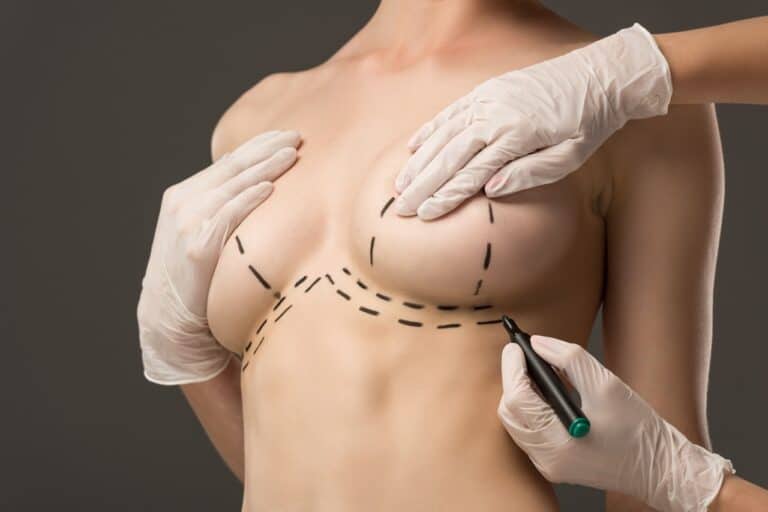
A breast reduction surgery involves the removal of excess breast tissue, fat, and skin. The goal centers on creating a lighter, smaller, and more comfortable breast size.
Why Choose This Procedure?
People seek breast reduction for several reasons. Heavy breasts may cause chronic pain, posture problems, skin irritation, and difficulty with daily activities.
Many also face limits in clothing options and athletic activities. By reducing breast size, patients often experience improved mobility and better confidence. These physical and emotional improvements tend to work together to create lasting change in a person’s life.
The Basic Surgical Steps
During the procedure, our surgeon makes incisions to access breast tissue and reshape the area. Excess tissue and fat are removed, and the nipple is carefully repositioned if needed.
While this is a common operation, the exact techniques and patterns used may differ based on your anatomy. Our Long Island team takes care to choose methods best suited to your needs and goals.
What Pain Feels Like After Breast Reduction
It is reasonable to ask what you will feel after surgery. We hear this question often at our practice.
Common Types of Pain or Discomfort
Patients usually describe pain as soreness, swelling, or achiness across the chest. The sensation may feel similar to muscle discomfort after a tough workout, but noticeably more intense at first.
Some people report burning, pulling, or tightness, especially when raising the arms or moving too quickly. These sensations usually improve with rest and gentle movement.
Where and When Pain Occurs
Most discomfort appears across the chest, along incision lines, or under the arms. Tenderness is usually strongest in the first few days after surgery.
By the end of the first week, swelling and soreness usually begin to fade. Movement may trigger some discomfort until several weeks pass.
What Does “Manageable” Mean?
You may wonder what doctors mean when they say pain is “manageable.” In most cases, pain does not prevent you from basic self-care, eating, drinking, or light walking.
Pain management strategies, including medications, help reduce discomfort after breast reduction so you can rest, recover, and avoid unnecessary stress. Our doctor personally discusses pain expectations and methods during each pre-op appointment.
Pain Management Before, During, and After
Pain is valid, but we take pride in guiding patients through each step of their breast reduction surgery. Expect a proactive approach to your comfort at our Long Island office.
Before Surgery: Setting Expectations
Our pre-surgical consultation includes a real conversation about pain. Our team describes the usual sensations, your medication plan, and how you can prepare at home for the first week.
Stocking up on loose clothing, simple meals, and pillows may help you rest more easily once home. Speaking honestly with our surgeon can help set realistic goals for pain control.
During Surgery: Anesthesia and Numbing Agents
Our surgical team uses safe, proven anesthesia, so you will not feel pain during the operation. We may also inject medications into breast tissue to provide longer-lasting numbing in the hours just after your procedure.
You will wake up in a recovery room with nurses monitoring your comfort closely. Our staff often asks about your pain level and addresses any concerns immediately.
After Surgery: Medications and Techniques
Our doctor may prescribe different types of pain medication for the first week. This may include acetaminophen, stronger prescription pain relievers, and sometimes a short course of muscle relaxants.
Other options such as ice packs, soft pillows, and gentle arm or neck stretches can provide additional relief. Keeping your body supported while resting may reduce tension across incision sites.
Regular follow-up visits ensure your pain stays under control and that no complications develop.
The Recovery Timeline and Pain Milestones
Everyone heals at a different pace, but you can expect certain patterns. Use this section as a guide for what many patients experience during breast reduction recovery.
What to Expect in the First 72 Hours
Pain will likely peak in the first two or three days after your procedure. Swelling, bruising, and general achiness are usually strongest at this time.
You may feel sleepy, less coordinated, and weak. Many patients benefit from having help at home, such as with meal preparation or simple tasks.
Listening to your body and taking medications as prescribed helps most people rest well during this period.
The First Week
By the fourth or fifth day after surgery, most patients notice that pain has begun to improve, although tenderness continues across incision areas.
Incision sites can feel itchy, tingly, or slightly numb. Mild movement becomes easier, but sudden arm lifts or twisting should always be avoided.
Many people can sit upright for longer periods and manage short walks around the house as energy returns.
By Weeks Two to Four
Most patients switch to over-the-counter pain medication during this period. Incision tenderness and swelling gradually fade, though some movements may still feel slightly uncomfortable.
Returning to work or light activities is often possible for people with desk jobs or limited physical demands. Our doctor will give specific guidelines to help ensure you do not overexert yourself.
Longer-Term Sensations
Temporary sensations, including numbness, tingling, or mild discomfort, may linger for several months but tend to resolve over time.
Occasional sharp or shooting pains may occur as the nerves heal in the breast and surrounding tissue. These symptoms are uncommon after the initial healing phase and should always be reported to our practice team if they persist.

What Factors Influence Pain Levels?
You may wonder why some patients experience more pain than others after breast reduction. Several factors play a role in the range and type of discomfort people feel.
Here are the main influences to consider:
- Pain Threshold: Each person’s sensitivity to pain varies based on genetics and previous experiences.
- Incision Technique: Breast reduction techniques have certain incision locations and lengths that may result in more tenderness, numbness, or bruising.
- Breast Size and Amount Removed: Greater volume reduction often means more tissue trauma, which can increase postoperative discomfort.
- Health and Lifestyle: Smoking, chronic conditions such as diabetes, and overall health status may affect healing speed and inflammatory responses.
- Postoperative Care: Closely following instructions for rest, support garments, pain medications, and wound care can reduce pain and prevent complications.
Knowing your personal health history and discussing pain management options with our Long Island surgeon is one of the best ways to prepare for a smoother recovery.
Emotional Aspects and Relief After Surgery
Breast reduction patients sometimes focus so much on physical sensations that they overlook the emotional changes that accompany surgery. Both positive feelings and moments of worry are ordinary during healing.
Anxiety and Anticipation
Feeling anxious or uncertain is common before any surgical procedure. Worries about pain, scarring, or the final results can feel overwhelming during the decision-making process.
At Breast Reduction Surgeons of Long Island, our doctor encourages open conversations. You can always share concerns and ask questions about any part of the experience to help ease uncertainty.
Positive Changes After Healing
Once the most challenging period passes, many patients report an enormous sense of relief. Physical pain in the back, shoulders, and neck often improves dramatically.
Clothing fits differently, and physical movements become easier. Mental and emotional outlooks often shift in powerful ways as people become comfortable with their new bodies.
Our support does not end after your operation. Our surgeon wants every person to feel confident and cared for as they move forward.
Practical Tips for Managing Pain at Home
After leaving our surgical center, much of your comfort depends on small, daily choices. Here is a list of practical tips that many patients have found helpful for keeping pain under control:
- Plan Rest Breaks: You should allow plenty of time for sleep and short naps, especially during the first week. Adequate rest helps your body heal faster and minimizes discomfort.
- Wear Support Garments: Post-surgical bras or wraps provide necessary support for the healing tissue and may reduce feelings of pulling and soreness. Our team will help you select the correct garment and fit.
- Stay on Top of Medications: Taking pain medicine as directed prevents discomfort from spiking. Skipping doses can let pain build and become much harder to manage later.
- Keep Moving Gently: Short, slow walks every few hours improve blood flow and decrease swelling while you gradually work up to approved exercises after breast reduction. Avoid strenuous exercise or any movement that puts strain on your chest until cleared.
- Use Cold Packs Carefully: Applying cold packs (never directly on the skin) can relieve swelling and provide comfort across sore areas.
Following this advice not only improves comfort but may also lower your risk of complications.
When Should You Be Concerned About Pain?
Recognizing what is normal and what is not is important for a safe recovery. A gradual decrease in pain is typical over the first two weeks after breast reduction.
However, sharp, intense pain that gets worse or does not improve could signal infection, bleeding, or other challenges. Signs that require a phone call or visit to our office include:
- Sudden swelling, redness, or warmth around incisions
- Severe pain that does not respond to medication
- Fever over 100.4°F
- Unusual discharge or odor from wounds
- Discoloration of the nipples or breast skin
Trust your instincts and contact our surgeon any time you notice significant changes. Our Long Island team is available to support your safety and comfort during every stage.
Setting Expectations: Talking With Our Surgeon
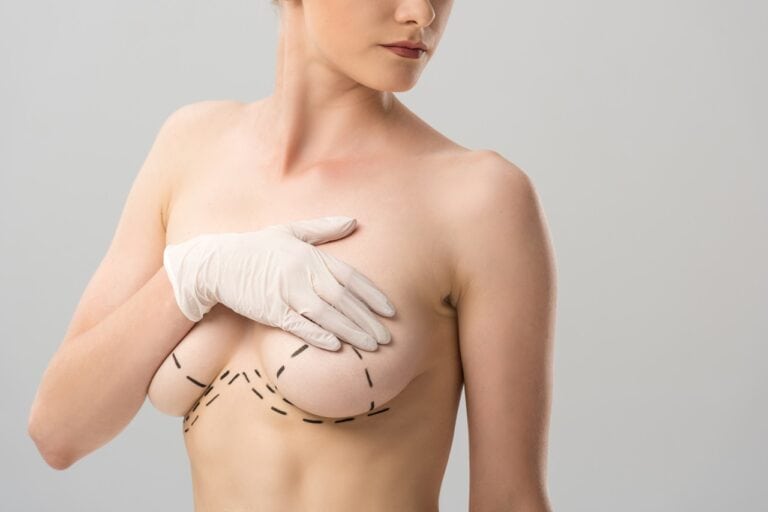
Open, trusting communication between patient and doctor makes for the best surgical outcomes. At Breast Reduction Surgeons of Long Island, our surgeon takes the time to discuss pain expectations, management methods, and how healing fits into your lifestyle.
Preparing a list of questions for your surgical consultation can help you feel more in control. You might ask what kind of pain you are likely to feel, how soon you can resume certain activities, or what resources are available for pain management.
Shared decision-making means that we tailor your care plan to your health, work, home support, and any special needs. We want every patient to walk in feeling well-informed and listened to.
Moving Forward With Confidence After Breast Reduction
Breast reduction surgery changes lives not just by easing physical discomfort but also by restoring function and confidence. Pain is part of the process, but when you know what to expect, it becomes much more manageable.
Our Long Island team believes that honest conversations make all the difference. We want you to feel empowered, not frightened, by your choice. Advanced surgical care, thoughtful pain management, and clear instructions will guide you from your first appointment through recovery and beyond.
If you live with discomfort from large breasts and want to discuss your options, reach out to Breast Reduction Surgeons of Long Island to schedule a consultation. Our team looks forward to discussing your goals, answering all your questions, and supporting you on your journey to lasting relief and better health.