At Breast Reduction Surgeons of Long Island, we understand that breast reduction surgery is a significant decision with life-changing benefits. As you look forward to improved comfort and self-confidence, knowing how to care for yourself after surgery is just as important as the operation itself.
Postoperative care includes understanding what to wear, how to protect your results, and how to support healing. Wearing the right garments can make the recovery period smoother and help you feel at ease as your body heals. Read on to learn exactly what to wear after breast reduction surgery, how your choices affect healing, and the practical tips every patient should know.
Key Takeaways
The Importance of Clothing Choices After Breast Reduction
Selecting the right clothing is one of the first things to consider after breast reduction surgery. Choosing proper garments not only improves comfort but also plays a crucial role in recovery.
Supporting your breasts with the right bra or garment stabilizes surgical sites and reduces swelling. Proper clothing choices also help avoid friction and pressure over incisions, which means less pain and a lower risk of irritation. If you wear the wrong bra, healing can slow down, and results may be less predictable over time.
Your clothing decisions also affect your daily activities during this critical period. Loose, gentle fabrics allow you to move comfortably and encourage overall well-being throughout recovery. At our Long Island office, we routinely discuss detailed wardrobe guidance before surgery so you know exactly what to expect.
The First Stage: Immediate Postoperative Clothing
The first days after breast reduction are the most critical for healing, and your garments make a big difference. In our post-op instructions, we explain why patients should wear specific items right away.
The Role of Surgical Bras and Compression Garments
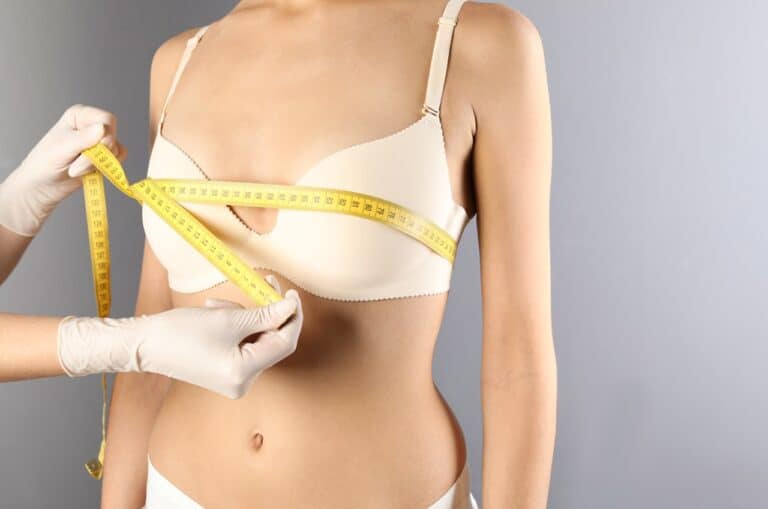
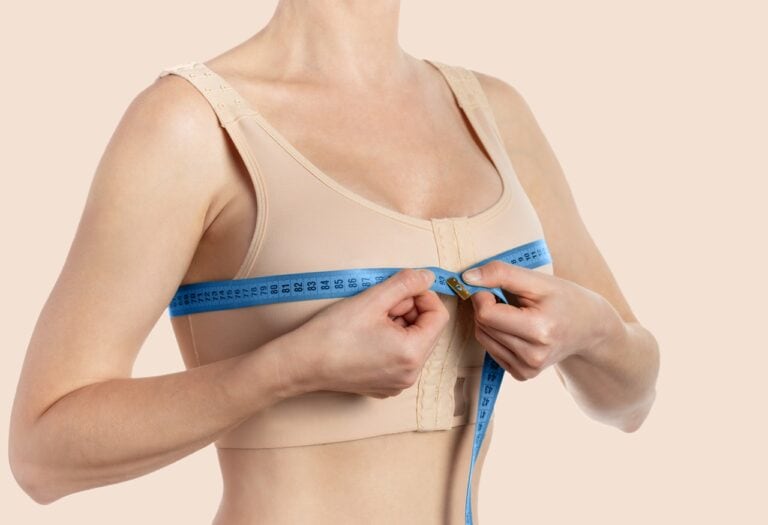
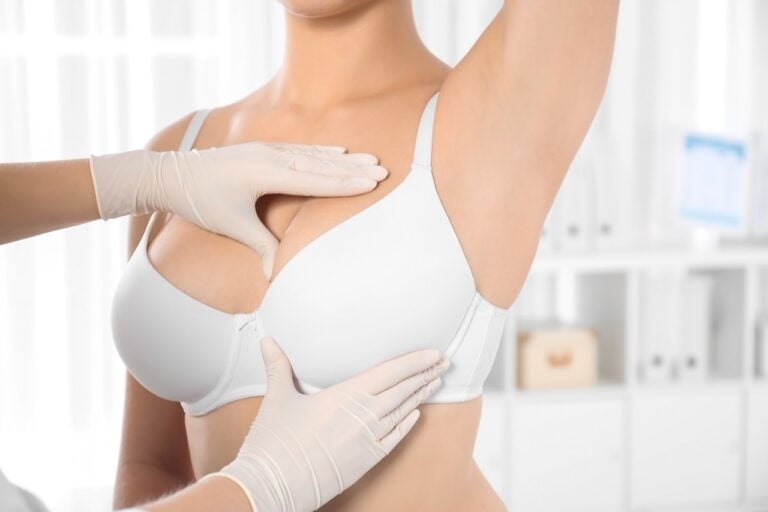
A surgical bra or medical-grade compression garment will be placed immediately after surgery. This unique bra provides firm, even support and holds dressings in place. Our lead plastic surgeon selects each bra style based on your breast size, shape, and incision type.
The surgical bra helps reduce swelling by maintaining gentle pressure on tissue. It also limits breast movement, which protects incisions and internal sutures. Most patients wear this garment 24 hours a day for the first week, except while bathing. Keep it as clean as possible to avoid infection.
What Makes Surgical Bras Different?
Unlike regular bras, surgical-style bras use soft, non-irritating fabric. They are free of underwires and rough seams. Wide, adjustable straps spread pressure across your shoulders, which reduces discomfort during the early stages of healing.
The closures typically sit in front, which means less reaching and easier access for incision checks. If you notice excess swelling, spots of blood, or a loose fit, contact our office for guidance. We will evaluate whether you need a new bra or a different size.
Recommended Clothing and Bra Options for Recovery
After the first week or two, you will have more flexibility in what you wear, but it remains important to select the right items. The following list highlights recommended clothing and bra options during breast reduction recovery.
- Post-Surgical Bras: These are similar to the initial surgical bra but offer slightly less compression. They provide reliable support while healing continues. Most styles stay wire-free and use soft, breathable materials.
- Sports Bras (without underwire): Once cleared by our surgeon, you may switch to a supportive sports bra with wide straps and no underwire. This keeps pressure off healing incisions and helps you gradually return to normal activity.
- Loose-Fitting Tops: Button-down shirts, soft cotton tees, and oversized sweaters make dressing easier because you do not need to pull them over your head. Breathable fabrics reduce the risk of sweating and skin irritation.
- High-Waisted Bottoms or Loose Pants: Many patients report that soft, high-waisted pants prevent waistband friction along the midsection, which often feels more comfortable as swelling subsides.
- Front-Closure Bras: If using traditional bras, choose ones that close in front, as this prevents excessive arm movement while dressing and undressing.
- Seamless or Tag-Free Options: Removing seams and tags eliminates unexpected rubbing or itching at incision sites.
- Layered Outfits: Wearing a soft camisole or undershirt beneath tops can add extra protection and prevent fabric from sticking to healing skin.
Sticking with these options helps minimize irritation, maximizes comfort, and gives you more confidence as you transition back to regular daily life.
Avoid Clothing and Bras That Can Interfere With Healing
During the early weeks after surgery, certain clothing items and bra types may harm your results or cause complications. Knowing what to avoid will help protect your surgical outcome.
Why Underwire and Tight Bras Are Not Suitable
Avoid wearing any bra with underwires, stiff boning, or hard closures while incisions are still healing. Underwire can dig into sensitive tissue and put unwanted pressure on incision lines, potentially leading to pain or delayed healing. Tight bras may squeeze swelling breast tissue, which increases the risk of fluid buildup and skin breakdown.
Ill-fitting bras that ride up, gap, or pinch will cause friction at incision sites. This can result in redness, blisters, or compromised scars.
Avoiding Restrictive and Irritating Clothing
Steer clear of clothing that clings tightly or uses rough material. Items like fitted tank tops, wool sweaters with coarse fibers, or tops with heavy embellishments can agitate surgical sites. Rough seams and low-quality synthetic fabrics may trap heat and moisture, which creates a favorable environment for bacteria.
Instead, choose lightweight, natural textiles such as cotton or bamboo.
When to Change Garments and Resume Regular Bras
You can organize your wardrobe ahead of time once you know exactly how long to wear your compression garments. Below, we detail the typical progression most patients follow after breast reduction.
The First Two Weeks
Patients must wear the surgical bra around the clock, except during short showers, for at least 7 days. Depending on your surgery type and healing rate, our surgical team may advise extending this period to two weeks.
Weeks Two to Six
After two weeks, many patients can switch to a high-support sports bra without underwire. During this phase, continue to avoid underwire and stick with front-closing styles. Soft compression and good support remain necessary for another month.
At Six Weeks and Beyond
Our surgeon typically evaluates your healing and discusses whether you can return to your regular bra wardrobe. Most patients can wear traditional bras, but continued preference for supportive, wire-free options may benefit those with sensitive scarring. Underwire bras should only be returned once all incisions have completely closed and tenderness has resolved.
If your recovery does not follow this timeline, our team may adjust recommendations for your safety.
Tips to Maximize Comfort and Promote Faster Healing
Recovery comfort depends on more than wearing the recommended bra. Daily choices about personal hygiene, garment fit, and self-care can affect your breast reduction experience.
Hygiene, Sizing, and Gentle Fabric Care
- Cleanliness: Change bras or camisoles daily to keep the incision area fresh and reduce infection risk. Wash all recovery garments with fragrance-free, hypoallergenic detergent.
- Correct Sizing: Double-check bra fit weekly. Swelling levels change after surgery, so your ideal size may change, too. Tightness or looseness can both compromise healing.
- Sensitive Skin Care: Use only recommended ointments on incisions and protect skin from strong detergents or fabric softeners.
- Fabric Selection: Choose bras and tops made from moisture-wicking cotton or bamboo. These materials allow skin to breathe and prevent chafing, which helps the healing process.
- Avoid Heat and Moisture: Try not to wear damp clothing. Excess heat and humidity underneath recovery garments can lead to bacterial growth and delay healing.
Following these steps will reduce irritation and help you heal more efficiently at every stage. Our Breast Reduction Surgeons of Long Island team welcomes your questions about any products or routines you are considering during recovery.
Addressing Common Clothing Concerns After Surgery
Patients often wonder how their new breasts will fit into various clothing styles and whether their fashion needs to change permanently. We hear these questions often, so our surgeon has helped clarify what to expect and how to adapt.
Wearing Undergarments After Recovery
Once your incisions have healed, you will likely find bra shopping easier and your options will open up. Many patients discover that bra styles previously uncomfortable or unavailable, such as bralettes or non-padded bras, now fit securely and comfortably. You may still prefer soft fabrics and minimal seams, as sensitive areas can take several months to feel completely normal.
Adapting Your Wardrobe to Your New Shape
Often, patients find tops fit more naturally, and they can enjoy a wider variety of styles post-reduction. For instance, button-down blouses, form-fitting tees, and dresses with tailored waists typically fit better than before. You may notice some old favorites no longer fit as intended, so consider this a good time to explore different fashion choices that embrace your new silhouette.
Common Pitfalls and How to Avoid Them
Wearing the wrong clothing too soon or neglecting garment care can cause setbacks during your recovery. The following list shares frequent pitfalls and practical solutions to help you avoid problems.
- Wearing Underwire Bras Prematurely: Underwires dig into incision sites and can cause scarring or discomfort if used before complete healing. Only return to underwire bras after direct clearance from our doctor.
- Choosing Ill-Fitting Garments: Clothes that are too tight or too loose may irritate skin and disrupt support. Fit matters at every stage of recovery.
- Neglecting to Replace Soiled Garments: Wearing unwashed bras or tops increases the risk of infection and odor. Make a habit of rotating clean items throughout each week.
- Skimping on Support Too Soon: Some patients stop wearing supportive bras early because swelling has subsided. Strong support remains important for at least six weeks to maintain beautiful results.
- Rushing Back to Normal Clothing: Eagerness to return to regular clothing and sports bras is common, but rushing increases risks. Always follow your healing timeline and our surgeon’s guidance for the best results.
Avoiding these pitfalls helps you enjoy your recovery and safeguard your breast reduction outcome.
Key Signs You Should Contact Your Surgeon
Most wardrobe-related concerns during breast reduction recovery can be managed at home. However, some symptoms may signal the need for prompt attention by our team.
- Persistent Redness or Irritation: Red, swollen, or painful areas that do not improve with garment adjustment should be reviewed by our office.
- Oozing or Bleeding Incisions: Any ongoing discharge or bleeding suggests complications and needs expert care.
- Loss of Support: If your bra becomes too loose due to a rapid reduction in swelling, ask for a new fit to ensure continued protection.
Our Long Island team remains available to address these or any other unexpected changes throughout your recovery journey.
Frequently Asked Questions About Postoperative Wardrobe
We often receive questions from patients planning for their recovery period. Our answers provide reassurance and practical advice.
Continuing Your Recovery Journey With Confidence
Wearing the right garments after breast reduction surgery helps you feel comfortable and safe while your results develop. From your first post-op days to the months that follow, small clothing decisions can make a large difference in your comfort, confidence, and healing.
At Breast Reduction Surgeons of Long Island, our team supports you through each stage of recovery with personalized recommendations. If you have questions about buying bras or selecting clothes that suit your new body, we encourage you to reach out during any follow-up visit or by calling our office.
By planning ahead and following our surgeon’s guidance, you will enjoy both your healing process and your final results. We look forward to supporting you every step of the way and invite you to schedule a consultation to discuss your goals, questions, and care plan in detail.