Weight loss after breast reduction often brings a range of questions about the timing, process, and results of the surgery. Many people who seek breast reduction wonder how changing body weight can influence surgical outcomes or what to expect if weight changes occur after the procedure.
At Breast Reduction Surgeons of Long Island, our team understands how important it is to feel informed and confident as you plan for surgery and healing. Our experience with thousands of breast reduction patients allows us to provide the facts and personalized guidance needed for lasting satisfaction.
In this article, we examine how weight loss can relate to breast reduction in detail, then outline what every patient should know to achieve the results they desire.
Key Takeaways
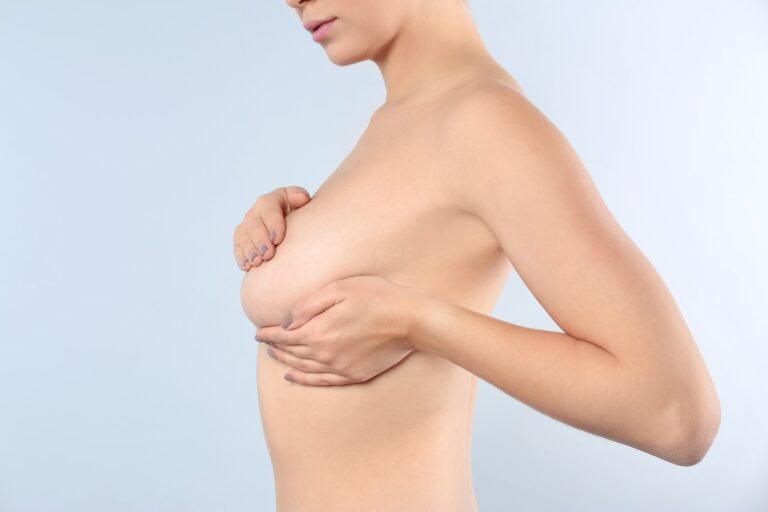
Understanding the Relationship Between Weight Loss and Breast Reduction
Many patients notice changes in breast size with weight changes, but the relationship is not always straightforward. At Breast Reduction Surgeons of Long Island, we hear many questions about how much the breasts might shrink after losing weight, both before and after a reduction procedure.
How Fat and Glandular Tissue Impact Breast Size
Breasts contain both fatty tissue and glandular tissue. The proportion varies between individuals, which means some breasts shrink significantly with weight loss, while in others, most of the volume remains unchanged.
Some people find that despite losing substantial weight, breast size remains large and often out of proportion with the rest of the body. This can be caused by a higher proportion of glandular tissue, which is less responsive to weight changes.
Other patients see a noticeable reduction in breast volume with even moderate weight loss. Genetics, age, hormones, and baseline breast composition all play roles in these differences.
The Unique Experience of Each Patient
No two patients experience the exact same change in breast size following weight loss. At our practice, we assess each individual’s goals, tissue type, and weight history to guide recommendations.
Large changes in weight can affect overall skin elasticity, which may influence the quality of your surgical results. This is especially important if you have experienced repeated weight cycling or plan to lose more than 25 pounds.
Deciding on the Right Timing for Surgery
Planning breast reduction surgery at the most appropriate time can enhance results and minimize the need for revisions. Patients should consider several factors when choosing their surgical timeline.
Achieving a Stable Weight: When Is It Best?
Our surgical team often recommends that patients aim for a stable and healthy weight before undergoing breast reduction. This does not mean achieving a strict “perfect” body mass index, but rather reaching a weight range that feels realistic and healthy for your lifestyle.
Losing large amounts of weight after breast reduction can lead to deflation and more looseness of the breast skin, while having surgery at a stable weight allows your new shape to last longer.
For many people, small weight changes after surgery do not cause significant differences in results. The most important factor is overall stability and health.
The Exception: Medically Necessary Surgery
For some, physical discomfort from large, heavy breasts becomes so significant that waiting for extensive weight loss is not practical. In these cases, our doctors prioritize relief of symptoms like back pain, rashes, and activity limitations. Each case receives an individualized plan.
What Happens to Your Breasts After Losing Weight Post-Surgery?
Many patients wonder whether their breasts might shrink further or change shape if weight loss happens after their reduction. The answer depends on individual factors and the amount of weight lost.
- Minor Weight Loss: Losing a few pounds does not usually cause noticeable changes. Your new breast shape and size typically stay stable.
- Significant Weight Loss: Dropping more than 20–30 pounds after surgery can lead to some loss of fullness and increased softness in the breasts, especially in the upper pole.
- Skin Changes: Large weight loss may also cause additional skin looseness, which sometimes affects the perkiness of your result. This is more common if your skin had reduced elasticity before surgery.
No matter your weight journey, our surgeon at our Long Island office will discuss how your unique anatomy may respond. If you are planning a significant transformation, we can discuss the benefits of combining a breast reduction with other procedures, such as a tummy tuck or body lift, to address global skin laxity.
Benefits and Considerations for Weight Loss Before Breast Reduction
Many patients at Breast Reduction Surgeons of Long Island ask if they should try to lose weight first or if surgery makes weight loss easier. Review the pros and cons below so you can plan confidently.
Potential Benefits of Weight Loss Prior to Surgery
Losing weight before breast reduction can offer several advantages, but it is not required for everyone.
- A more proportional surgical outcome, as the procedure can be tailored to your updated body contour.
- Possibly less strain on incision sites and easier healing thanks to decreased breast volume.
- Less severe skin laxity after surgery if the skin has had time to adapt to your lower weight.
Considerations and Reasons Not to Delay Surgery
However, not every patient needs to lose a significant amount of weight first. In fact, for some individuals, waiting for major weight loss can worsen symptoms and discomfort. Deciding when to proceed is highly personal.
While we evaluate all breast reduction candidates based on their unique physical symptoms and medical history, the best outcomes often come from respecting your body’s current needs and stability.
If you have attempted weight loss without success or your breast size remains problematic regardless of your weight, reduction surgery may help improve your daily life, even if you are not yet at a preferred weight.

How Our Surgeons Plan and Customize Your Surgery
Our surgical team at Breast Reduction Surgeons of Long Island personalizes every breast reduction procedure, with special attention to each patient’s weight history and body goals.
What We Evaluate Prior to Your Procedure
We use several key details to help advise you on timing and expected outcomes. The consultation covers:
- Current Body Weight and Health: Understanding your baseline health supports better surgical safety and planning.
- Weight Goals: We discuss your future weight targets, whether you are actively working toward them or have remained stable for months.
- Breast Composition and Skin: Our doctor examines the amount of glandular vs. fatty tissue and checks for skin quality or sagging.
- Physical Symptoms: Pain, rashes, chronic discomfort, and activity limitations all play a role in urgency and approach.
We believe in real conversations, not rigid expectations. Your input helps us create a plan that fits your body and lifestyle while aiming for lasting satisfaction.
What to Know About Recovery and Maintaining Your Results
Once your breast reduction is complete, focusing on a healthy lifestyle can optimize healing and preserve your results. We guide every patient through recovery and long-term care, helping you get the best outcome.
Early Post-Surgical Healing
For the first few weeks, our team recommends limiting vigorous activity and following all incision care guidelines. Prompt healing protects results, minimizes scar development, and reduces the chance of complications.
Fluctuations in weight during immediate recovery are usually related to swelling. These changes resolve as you heal and do not reflect changes in the final breast size.
Weight Changes Years After Surgery
When weight fluctuations occur after you fully heal, most patients see only modest breast changes. If significant weight loss or gain occurs, breast tissues may respond with some stretching or shrinking, but the overall contour usually remains similar.
Wearing proper bras and practicing good posture can help maintain comfort and appearance over time.
Lifestyle Strategies to Support Long-Term Results
Patients often ask how to ensure their breast reduction results last, regardless of future weight shifts. At Breast Reduction Surgeons of Long Island, we recommend several supportive lifestyle habits.
Here are several strategies you can use to protect your new breast shape and optimize wellness:
- Consistent, Balanced Nutrition: Eating a variety of nutrient-rich foods helps maintain a stable weight, supports healing, and promotes breast and skin health.
- Regular Exercise: Low-impact cardiovascular activity, strength training, and stretching contribute to overall well-being and support ideal body composition.
- Supportive Bras: Choosing a well-fitted, high-quality bra reduces breast movement and skin stretching during daily activities and workouts.
- Hydration and Skin Care: Staying hydrated and using dermatologist-recommended moisturizers helps keep the skin supple and able to bounce back from minor changes.
- Routine Follow-Up: Scheduling regular check-ins with our doctor lets us monitor healing and address any changes swiftly for ongoing confidence.
Each of these habits works together to maintain surgical improvements for years. Even if weight changes occur, a strong foundation of self-care reduces the risk of dissatisfaction and prolongs the benefits of your surgery.
When Additional Correction or Revision Is Needed
In some cases, significant weight loss after breast reduction may create extra looseness or shape changes that affect your preferred look. Patients have several options to address these issues if they arise.
Surgical vs. Non-Surgical Solutions
Our surgeon may suggest a minor surgical revision if you experience noticeable sagging or unevenness after major weight changes. This could include skin tightening, reshaping, or even fat transfer for improved contour.
Milder contour irregularities can sometimes be improved with customized bras, targeted strength exercises, or non-invasive skin treatments. The best solution depends on your goals, tissue quality, and preferences.
Most patients do not need revision surgery, especially with thoughtful planning and stable health. However, our team always remains available to discuss changes and provide honest advice.
What to Discuss at Your Consultation
When considering breast reduction, having an open conversation with our surgical team at Breast Reduction Surgeons of Long Island is essential. Bring these questions and topics to your consultation:
- Personal Weight History: Share details about past weight loss, gains, and recent changes.
- Body Image and Goals: Discuss what you hope to achieve beyond breast size, including physical comfort and clothing fit.
- Timing and Milestones: Mention upcoming life changes, such as planned pregnancies or ongoing fitness journeys, which may affect your goals.
- Support Systems: Let us know about your at-home support network so we can plan your recovery together.
- Potential for Revisions: Ask about what changes to expect if large weight loss occurs in the years after surgery.
Our surgeon welcomes all questions, so bring your concerns and priorities. A personalized approach leads to the best results and lasting satisfaction.
During this meeting, we also provide a transparent breakdown of the breast reduction cost, including insurance coverage and financing options, so you can plan the financial aspect of your journey with as much clarity as the surgical one.

Moving Forward with Confidence After Breast Reduction
Weight changes before or after breast reduction can influence results, but most patients enjoy long-lasting comfort and aesthetics when they choose the right timing and work with an experienced surgeon. At Breast Reduction Surgeons of Long Island, we aim to prepare every patient with thoughtful planning and tailored care.
Having a realistic understanding of how weight loss interacts with breast surgery sets expectations and empowers healthy decisions. Whether you plan to lose weight before surgery or want to protect your results in the future, the right information and support ensure your journey yields physical and emotional rewards.
If you still have questions about breast reduction and weight loss, our team welcomes you to schedule a personal consultation. Our surgeon can review your goals, health, and surgical options to help you feel confident as you take the next step toward comfort and balance. Reach out to Breast Reduction Surgeons of Long Island to learn more and begin your journey toward relief and self-assurance.